Pindar, Olympian 3: Heracles brings the olive from the land of the Hyperboreans
Introduction
Pindar wrote his third Olympian ode for Theron of Acragas, victor in the chariot race at Olympia in 476 BCE, for a feast of the Dioscuri. Its myth tells how the olive came to Olympia: Heracles, having founded the games, found the place bare of trees, and remembering the land beyond the cold north wind that he had seen while hunting the golden-horned hind, persuaded the Hyperboreans, Apollo's servants, to give him a shoot of the wild olive from the shady springs of the Ister, to shade the sanctuary and crown the victors (lines 11-34).
The manuscript is Florence, Biblioteca Medicea Laurenziana, Plut. 32.52 (Pindar D), 14th century, with the odes written in a central block of short cola, two to a row, surrounded by scholia. Olympian 3 runs over fol. 6v, 7r and 7v. The two oldest Pindar manuscripts were also checked: Vat. gr. 1312 (B, 12th c.) is legible here only in parts, and the Ambrosian manuscript C 222 inf. (A) is published with a no-download restriction, so neither is used for this ode.
How was this verified? (Provenance)
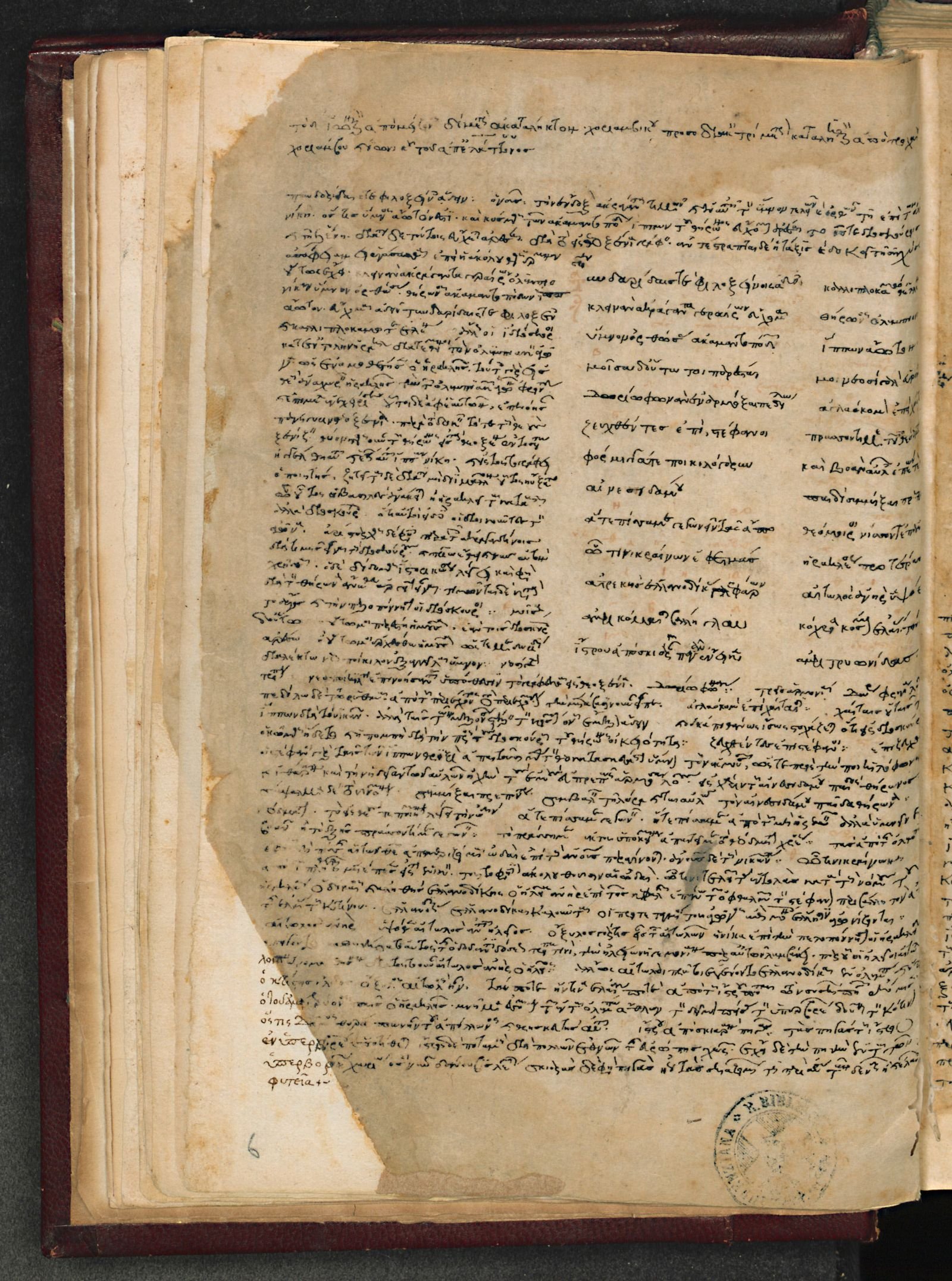
Where on the image
Lines 1-14 stand on Florence, Laur. Plut. 32.52 (D), fol. 6v. Checked on the images: 6v: the ode begins in the upper text block, written in rows of cola across two columns: row 1 ‹Τυνδαρίδαις τε φιλοξείνοις ἁδεῖν | καλλιπλοκάμῳ θ' ἑλένᾳ› (v. 1); the last row on the page ends ‹ἀμφιτρυωνιάδας› (v. 14)
1Τυνδαρίδαις τε φιλοξείνοις ἁδεῖν καλλιπλοκάμῳ θʼ Ἑλένᾳ
2κλεινὰν Ἀκράγαντα γεραίρων εὔχομαι,
3Θήρωνος Ὀλυμπιονίκαν ὕμνον ὀρθώσαις, ἀκαμαντοπόδων
4ἵππων ἄωτον. Μοῖσα δʼ οὕτω ποι παρέστα μοι νεοσίγαλον εὑρόντι τρόπον
5Δωρίῳ φωνὰν ἐναρμόξαι πεδίλῳ
6ἀγλαόκωμον. ἐπεὶ χαίταισι μὲν ζευχθέντες ἔπι στέφανοι
7πράσσοντί με τοῦτο θεόδματον χρέος,
8φόρμιγγά τε ποικιλόγαρυν καὶ βοὰν αὐλῶν ἐπέων τε θέσιν
9Αἰνησιδάμου παιδὶ συμμῖξαι πρεπόντως, ἅ τε Πίσα με γεγωνεῖν· τᾶς ἄπο
10θεόμοροι νίσοντʼ ἐπʼ ἀνθρώπους ἀοιδαί,
11ᾧ τινι, κραίνων ἐφετμὰς Ἡρακλέος προτέρας,
12ἀτρεκὴς Ἑλλανοδίκας γλεφάρων Αἰτωλὸς ἀνὴρ ὑψόθεν
13ἀμφὶ κόμαισι βάλῃ γλαυκόχροα κόσμον ἐλαίας· τάν ποτε
14Ἴστρου ἀπὸ σκιαρᾶν παγᾶν ἔνεικεν Ἀμφιτρυωνιάδας,
I pray that I may be pleasing to the hospitable sons of Tyndareus and to Helen of the beautiful hair while I honor renowned Acragas by raising my song in praise of Theron’s victory at Olympia, won by the choicest of horses with untiring feet. With this in view the Muse stood beside me when I found a shining new manner of fitting the splendid voice of the victory procession to the Dorian sandal. For the garlands twined around his hair exact from me this sacred debt, to blend harmoniously for the son of Aenesidamus the embroidered song of the lyre and the cry of the flutes with the arrangement of words, and Pisa bids me to raise my voice— Pisa, from which god-fated songs come often to men, for anyone over whose brow the strict Aetolian judge of the Greeks tosses up around his hair the gray-green adornment of olive leaves, fulfilling the ancient behests of Heracles; the olive which once the son of Amphitryon brought from the shady springs of the Danube,
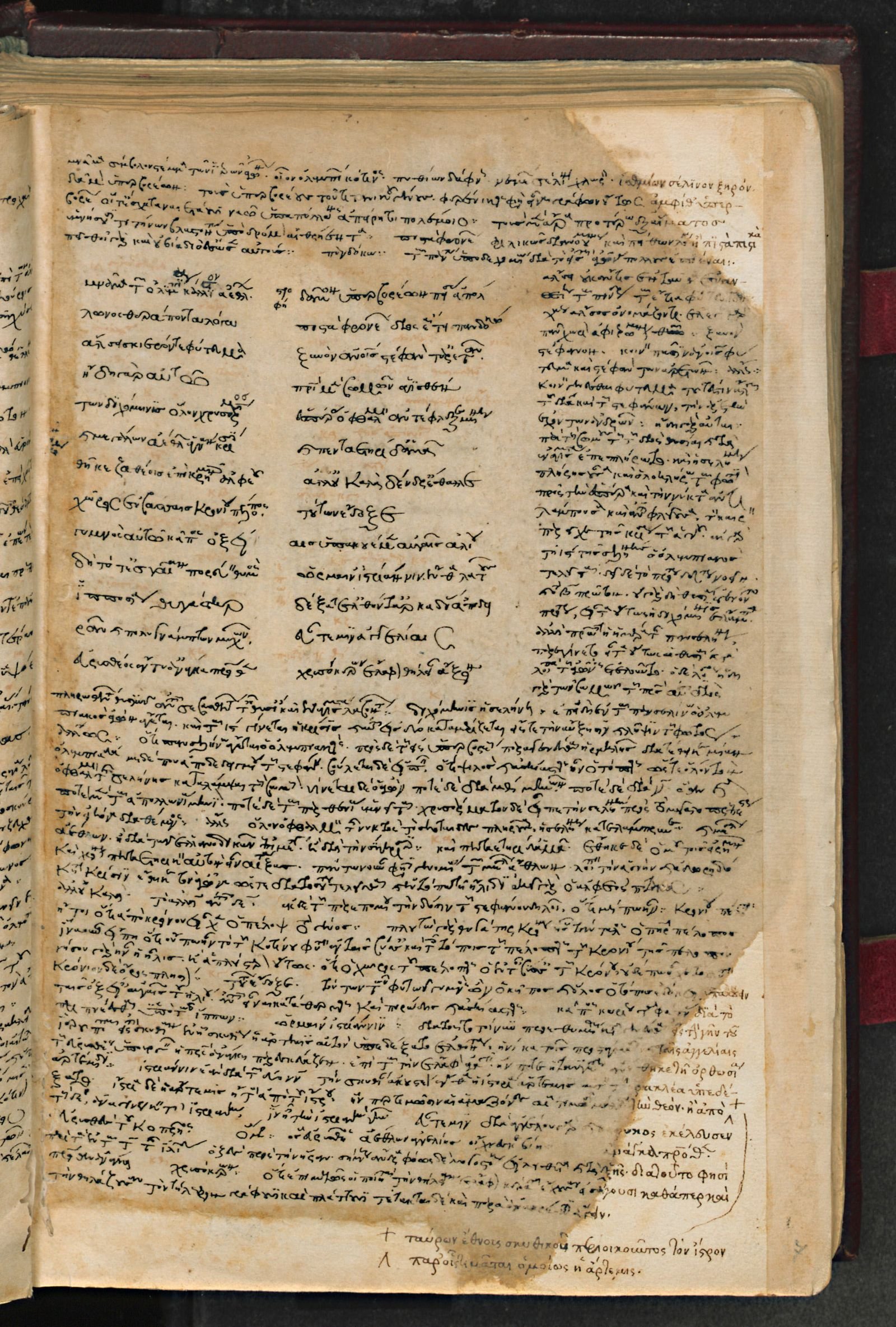
Where on the image
Lines 15-25 stand on Florence, Laur. Plut. 32.52 (D), fol. 7r. Checked on the images: 7r: row 1 ‹μνᾶμα τῶν οὐλυμπίᾳ κάλλιστον ἀέθλων | δᾶμον ὑπερβορέων πείσαις ἀπόλ-› (vv. 15-16); the last row is ‹εὐρυσθέος ἔντυ' ἀνάγκα πατρόθεν | χρυσόκερων ἔλαφον θήλειαν ἄξονθ'› (vv. 28-29)
15μνᾶμα τῶν Οὐλυμπίᾳ κάλλιστον ἄθλων
16δᾶμον Ὑπερβορέων πείσαις Ἀπόλλωνος θεράποντα λόγῳ.
17πιστὰ φρονέων Διὸς αἴτει πανδόκῳ
18ἄλσει σκιαρόν τε φύτευμα ξυνὸν ἀνθρώποις στέφανόν τʼ ἀρετᾶν.
19ἤδη γὰρ αὐτῷ, πατρὶ μὲν βωμῶν ἁγισθέντων, διχόμηνις ὅλον χρυσάρματος
20ἑσπέρας ὀφθαλμὸν ἀντέφλεξε Μήνα,
21καὶ μεγάλων ἀέθλων ἁγνὰν κρίσιν καὶ πενταετηρίδʼ ἁμᾶ
22θῆκε ζαθέοις ἐπὶ κρημνοῖς Ἀλφεοῦ·
23ἀλλʼ οὐ καλὰ δένδρεʼ ἔθαλλεν χῶρος ἐν βάσσαις Κρονίου Πέλοπος.
24τούτων ἔδοξεν γυμνὸς αὐτῷ κᾶπος ὀξείαις ὑπακουέμεν αὐγαῖς ἁλίου.
25δὴ τότʼ ἐς γαῖαν πορεύεν θυμὸς ὥρμα
to be the most beautiful memorial of the Olympian contests, when he had persuaded the Hyperborean people, the servants of Apollo, with speech. With trustworthy intentions he was entreating them for a shady plant, to be shared by all men and to be a garland of excellence in the grove of Zeus which is hospitable to all. For already the altars had been consecrated to his father, and in mid-month the full evening’s eye shone brightly, the Moon on her golden chariot, and he had established the consecrated trial of the great games along with the four years’ festival beside the sacred banks of the Alpheus. But Pelops’ sacred ground was not flourishing with beautiful trees in the valleys below the hill of Cronus. He saw that this garden, bare of trees, was exposed to the piercing rays of the sun. And so his spirit prompted him to travel to the land
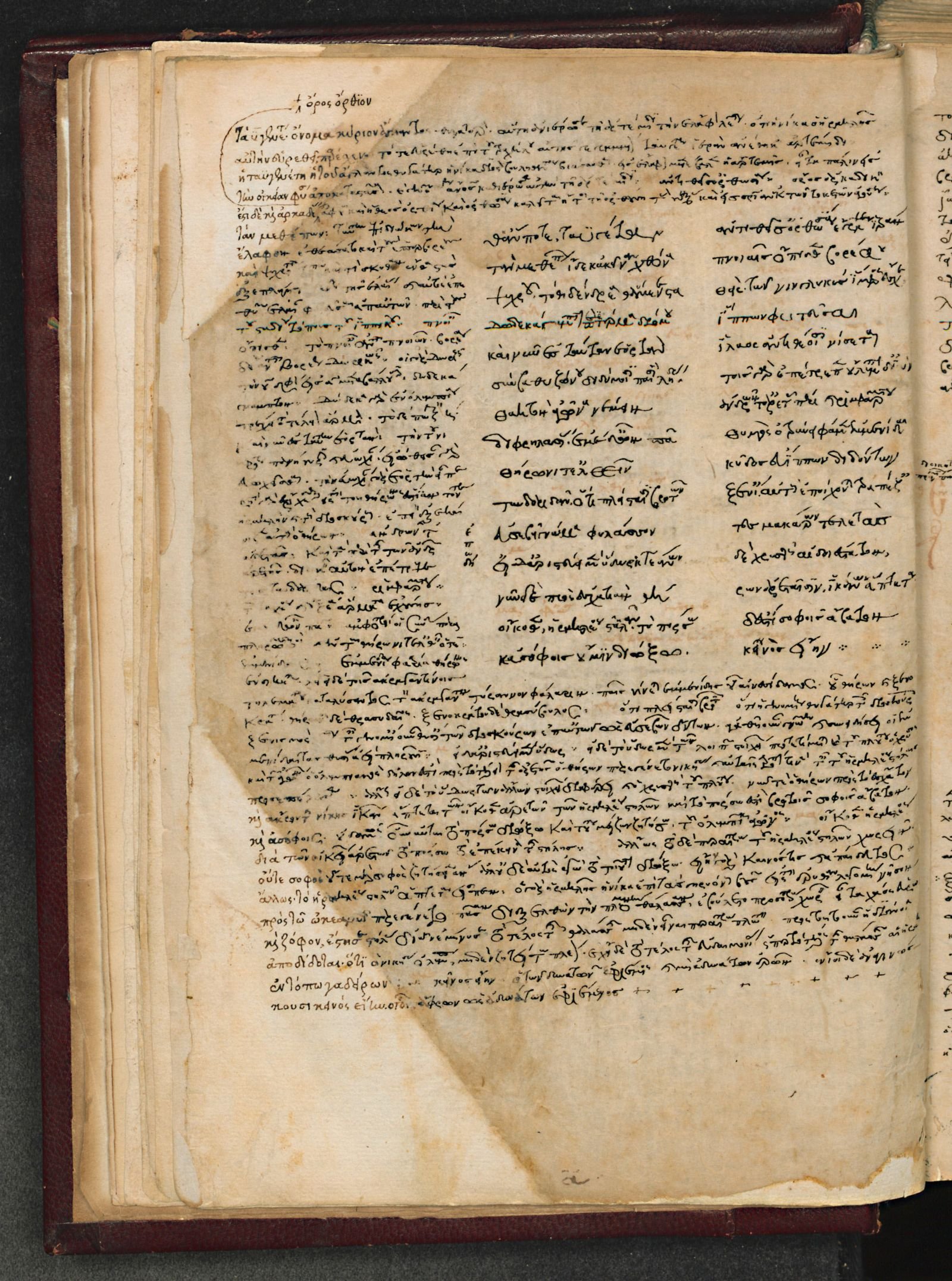
Where on the image
Lines 26-29 stand on Florence, Laur. Plut. 32.52 (D), fol. 7r and 7v. Checked on the images: 7r: row 1 ‹μνᾶμα τῶν οὐλυμπίᾳ κάλλιστον ἀέθλων | δᾶμον ὑπερβορέων πείσαις ἀπόλ-› (vv. 15-16); the last row is ‹εὐρυσθέος ἔντυ' ἀνάγκα πατρόθεν | χρυσόκερων ἔλαφον θήλειαν ἄξονθ'› (vv. 28-29); 7v: row 1 ‹ἅν ποτε ταϊγέτα | ἀντιθεῖσ' ὀρθωσίᾳ ἔγραψεν ἱράν› (vv. 29-30); the ode ends on the last row, ‹κἀσόφοις· οὔ νιν διώξω· | κεινὸς εἴην› (v. 45), followed by an end mark
26Ἰστρίαν νιν· ἔνθα Λατοῦς ἱπποσόα θυγάτηρ
27δέξατʼ ἐλθόντʼ Ἀρκαδίας ἀπὸ δειρᾶν καὶ πολυγνάμπτων μυχῶν,
28εὖτέ νιν ἀγγελίαις Εὐρυσθέος ἔντυʼ ἀνάγκα πατρόθεν
29χρυσόκερων ἔλαφον θήλειαν ἄξονθʼ, ἅν ποτε Ταϋγέτα
of the Danube, where the horse-driving daughter of Leto had received him when he came from the mountain-glens and deep, winding valleys of Arcadia ; through the commands of Eurystheus, compulsion from his father urged him on the quest of the doe with the golden horns, which once Taÿgete
Where on the image
Lines 30-45 stand on Florence, Laur. Plut. 32.52 (D), fol. 7v. Checked on the images: 7v: row 1 ‹ἅν ποτε ταϊγέτα | ἀντιθεῖσ' ὀρθωσίᾳ ἔγραψεν ἱράν› (vv. 29-30); the ode ends on the last row, ‹κἀσόφοις· οὔ νιν διώξω· | κεινὸς εἴην› (v. 45), followed by an end mark
30ἀντιθεῖσʼ Ὀρθωσίᾳ ἔγραψεν ἱράν.
31τὰν μεθέπων ἴδε καὶ κείναν χθόνα πνοιᾶς ὄπιθεν Βορέα
32ψυχροῦ. τόθι δένδρεα θάμβαινε σταθείς.
33τῶν νιν γλυκὺς ἵμερος ἔσχεν δωδεκάγναμπτον περὶ τέρμα δρόμου
34ἵππων φυτεῦσαι. καί νυν ἐς ταύταν ἑορτὰν ἵλαος ἀντιθέοισιν νίσσεται
35σὺν βαθυζώνου διδύμοις παισὶ Λήδας.
36τοῖς γὰρ ἐπέτραπεν Οὐλυμπόνδʼ ἰὼν θαητὸν ἀγῶνα νέμειν
37ἀνδρῶν τʼ ἀρετᾶς πέρι καὶ ῥιμφαρμάτου
38διφρηλασίας. ἐμὲ δʼ ὦν πᾳ θυμὸς ὀτρύνει φάμεν Ἐμμενίδαις
39Θήρωνί τʼ ἐλθεῖν κῦδος, εὐΐππων διδόντων Τυνδαριδᾶν, ὅτι πλείσταισι βροτῶν
40ξεινίαις αὐτοὺς ἐποίχονται τραπέζαις,
41εὐσεβεῖ γνώμᾳ φυλάσσοντες μακάρων τελετάς.
42εἰ δʼ ἀριστεύει μὲν ὕδωρ, κτεάνων δὲ χρυσὸς αἰδοιέστατος,
43νῦν δὲ πρὸς ἐσχατιὰν Θήρων ἀρεταῖσιν ἱκάνων ἅπτεται
44οἴκοθεν Ἡρακλέος σταλᾶν. τὸ πόρσω δʼ ἔστι σοφοῖς ἄβατον
45κἀσόφοις. οὔ νιν διώξω· κεινὸς εἴην.
had inscribed as a sacred dedication to Artemis who sets things right. Pursuing that doe he had also seen that land beyond the cold blasts of Boreas; there he had stood and marvelled at the trees, and sweet desire for them possessed him, to plant them around the boundary-line of the horse-racing ground with its twelve courses. And now in his kindness he comes regularly to this festival of ours, together with the godlike twin sons of deep-waisted Leda. For Heracles, when he ascended to Olympus, assigned to them the ordering of the marvellous contest of men, the contest in excellence and in the driving of swift chariots. And so my spirit somehow urges me to say that glory has come to the Emmenidae and to Theron through the dispensation of the sons of Tyndareus with their fine horses, because that family comes to them with the most hospitable feasting-tables of any mortal men, observing the rites of the blessed gods with pious thoughts. If water is best and gold is the most honored of all possessions, so now Theron reaches the farthest point by his own native excellence; he touches the pillars of Heracles. Beyond that the wise cannot set foot; nor can the unskilled set foot beyond that. I will not pursue it; I would be a fool.
Notes
- Line numbers are those of the modern editions; the manuscript divides Pindar's verse into shorter cola, so its lines do not match them one for one. The scan_notes give the words that begin and end each page as read.
- English: Svarlien's line-grouped translation (Perseus), which keeps the editions' line numbers and so can be divided at the manuscript's page breaks. Perseus prints '«' for an apostrophe in a few words; it is restored here.
- Greek: Sandys' Loeb text (Perseus), not a transcription of the manuscript.
Cite
Sources
- Source: Florence, Laur. Plut. 32.52 (D), fol. via Teca digitale BML + Sandys' Greek (Perseus) + D. A. Svarlien's English (Perseus, CC BY-SA) (holding institution)
- Critical edition: Perseus editions named per passage
← previous · → next · v cycle view · l back to library