Pindar, Pythian 10.25-44: no road by ship or on foot to the Hyperboreans
Introduction
Pindar's tenth Pythian ode, his earliest datable poem, was written in 498 BCE for Hippocleas of Thessaly, winner of the boys' double foot race at Delphi. After praising the man who sees his son crowned, Pindar reaches the limit of mortal fortune: no one can find the marvellous road to the Hyperboreans, by ship or on foot. Perseus once feasted among them as they sacrificed hecatombs of asses to Apollo, who delights in their festivals; the Muse is never absent from their dances; crowned with golden laurel they feast, and neither disease nor old age touches that holy race, which lives without toil or battle, beyond the reach of Nemesis.
The manuscript is Vatican, Biblioteca Apostolica Vaticana, Vat. gr. 1312 (Pindar B), 12th century, the oldest manuscript of the Pythians. Its leaves are darkened and stained, and in the published images only some of the pages of this ode can be read with confidence. This entry therefore gives the part of the ode that could be placed line by line, 25-44, which holds the whole description of the Hyperboreans, on fol. 164v (last rows), 165r and 165v. The rest of the ode (1-24 and 45-72) is not included.
How was this verified? (Provenance)
Where on the image
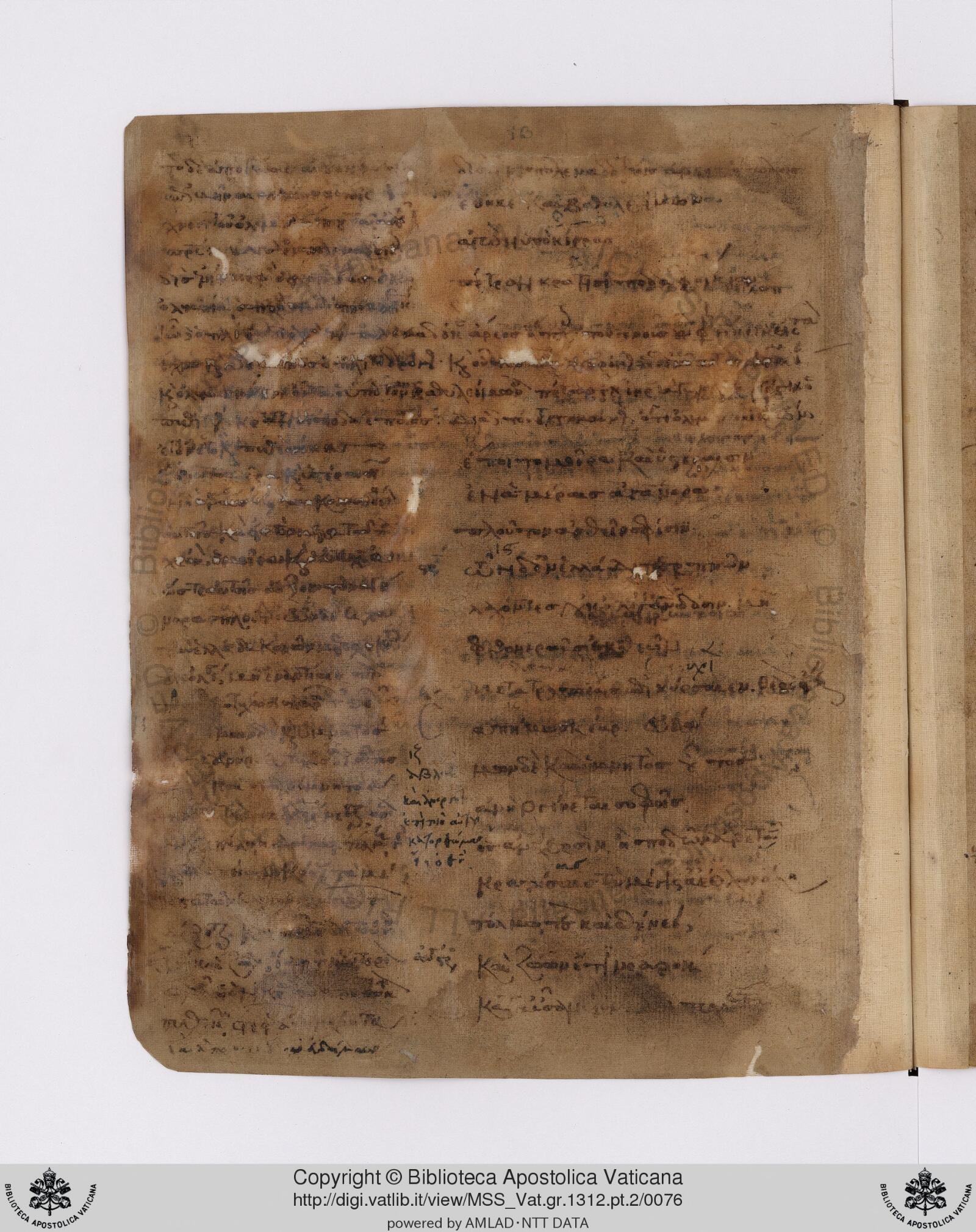
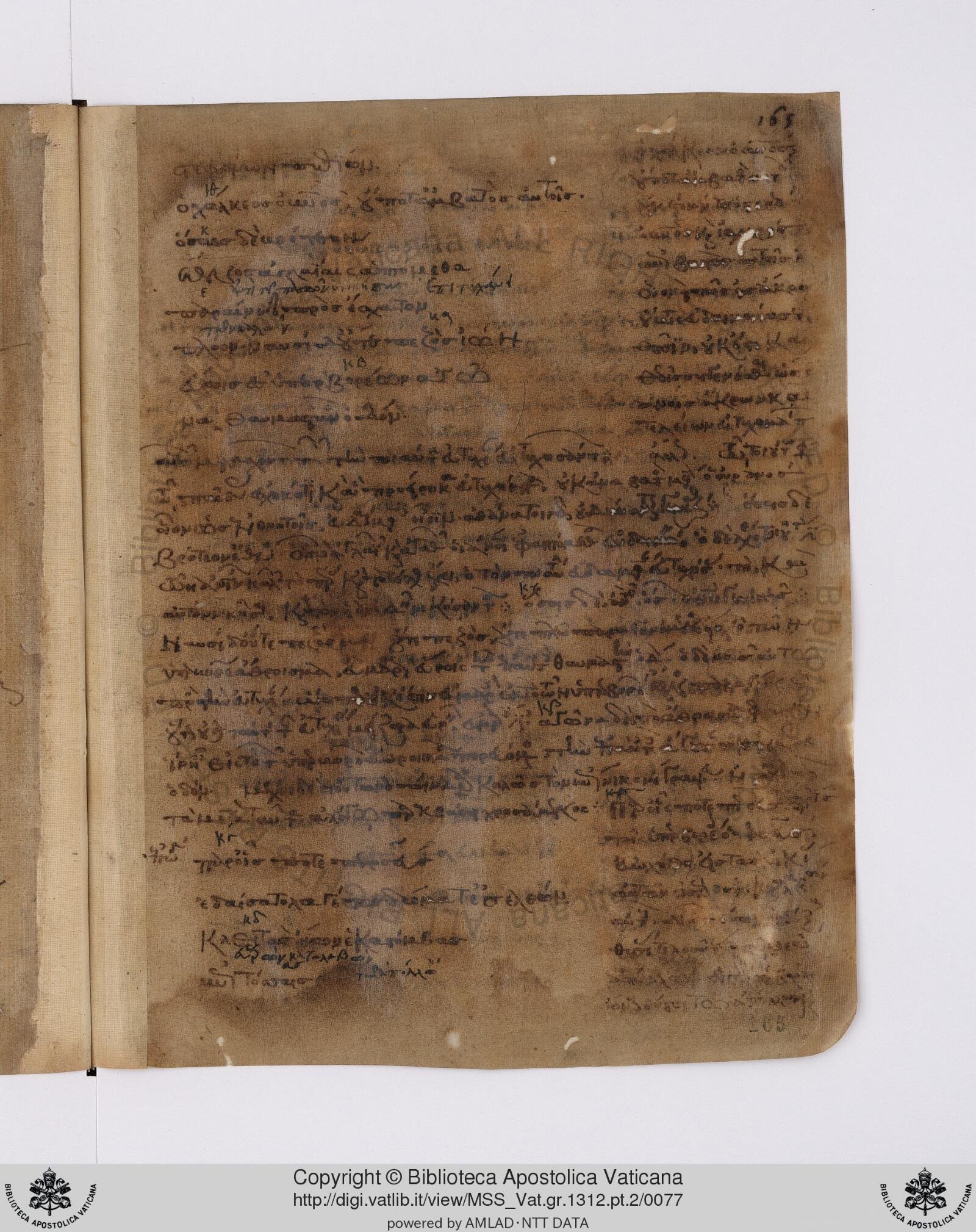
Lines 25-29 stand on Vatican, Vat. gr. 1312 (B), fol. 164v and 165r. Checked on the images: 164v: the last two rows of the right-hand text column read ‹καὶ ζώων ἔτι νεαρὸν› (v. 25) and ‹κατ' αἶσαν υἱὸν ἴδῃ τυχόντα› (v. 26); 165r: the page begins ‹στεφάνων πυθίων› (end of v. 26), then ‹ὁ χάλκεος οὐρανὸς οὔ ποτ' ἀμβατὸς αὐτῷ› (27); the Hyperborean passage opens with ‹πλόον· ναυσὶ δ' οὔτε πεζὸς ἰών κεν εὕροις› (29) and ‹ἐς ὑπερβορέων ἀγῶνα | θαυματὰν ὁδόν› (30); after a block of scholia ‹παρ' οἷς ποτε περσεὺς ἐδαίσατο λαγέτας› (31-32) and ‹κλειτὰς ὄνων ἑκατόμβας | ἐπιτόσσαις θεῷ› (33) end the page
25καὶ ζώων ἔτι νεαρὸν
26κατʼ αἶσαν υἱὸν ἴδῃ τυχόντα στεφάνων Πυθίων.
27ὁ χάλκεος οὐρανὸς οὔ ποτʼ ἀμβατὸς αὐτῷ.
28ὅσαις δὲ βροτὸν ἔθνος ἀγλαΐαις ἁπτόμεσθα, περαίνει πρὸς ἔσχατον
29πλόον. ναυσὶ δʼ οὔτε πεζὸς ἰών κεν εὕροις
and lives to see his young son duly winning Pythian garlands. He can never set foot in the bronze heavens; but whatever splendor we mortals can attain, he reaches the limit of that voyage. Neither by ship nor on foot could you find
Where on the image
Lines 30 stand on Vatican, Vat. gr. 1312 (B), fol. 165r. Checked on the images: 165r: the page begins ‹στεφάνων πυθίων› (end of v. 26), then ‹ὁ χάλκεος οὐρανὸς οὔ ποτ' ἀμβατὸς αὐτῷ› (27); the Hyperborean passage opens with ‹πλόον· ναυσὶ δ' οὔτε πεζὸς ἰών κεν εὕροις› (29) and ‹ἐς ὑπερβορέων ἀγῶνα | θαυματὰν ὁδόν› (30); after a block of scholia ‹παρ' οἷς ποτε περσεὺς ἐδαίσατο λαγέτας› (31-32) and ‹κλειτὰς ὄνων ἑκατόμβας | ἐπιτόσσαις θεῷ› (33) end the page
30ἐς Ὑπερβορέων ἀγῶνα θαυματὰν ὁδόν.
the marvellous road to the meeting-place of the Hyperboreans—
Where on the image
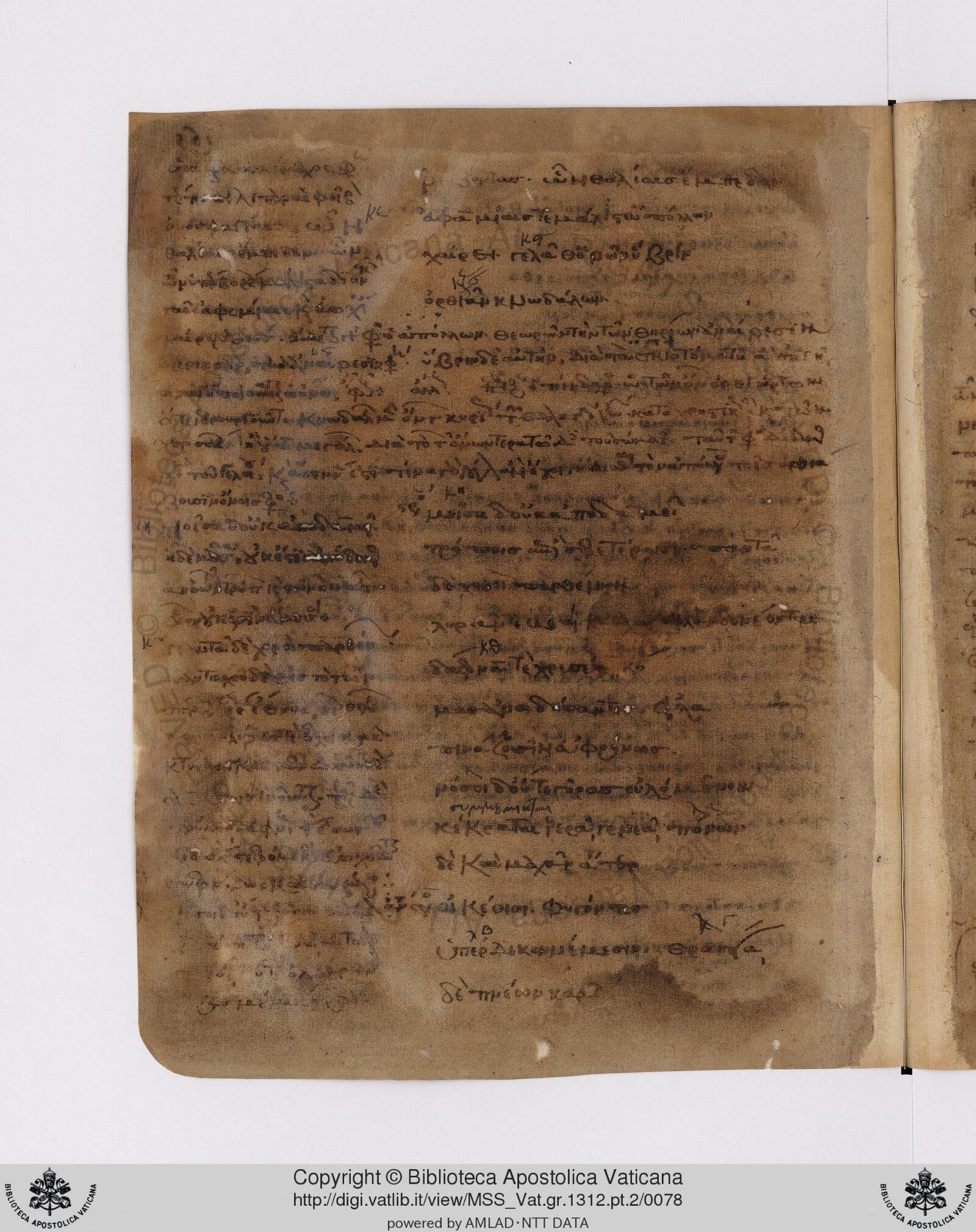
Lines 31-34 stand on Vatican, Vat. gr. 1312 (B), fol. 165r and 165v. Checked on the images: 165r: the page begins ‹στεφάνων πυθίων› (end of v. 26), then ‹ὁ χάλκεος οὐρανὸς οὔ ποτ' ἀμβατὸς αὐτῷ› (27); the Hyperborean passage opens with ‹πλόον· ναυσὶ δ' οὔτε πεζὸς ἰών κεν εὕροις› (29) and ‹ἐς ὑπερβορέων ἀγῶνα | θαυματὰν ὁδόν› (30); after a block of scholia ‹παρ' οἷς ποτε περσεὺς ἐδαίσατο λαγέτας› (31-32) and ‹κλειτὰς ὄνων ἑκατόμβας | ἐπιτόσσαις θεῷ› (33) end the page; 165v: the right-hand column begins ‹ῥέζοντας· ὧν θαλίαις ἔμπεδον› (34), with ‹χαίρει, γελᾷ θ' ὁρῶν ὕβριν | ὀρθίαν κνωδάλων› (36), and ends ‹ὑπέρδικον νέμεσιν· θρασείᾳ | δὲ πνέων καρδίᾳ› (44)
31παρʼ οἷς ποτε Περσεὺς ἐδαίσατο λαγέτας,
32δώματʼ ἐσελθών,
33κλειτὰς ὄνων ἑκατόμβας ἐπιτόσσαις θεῷ
34ῥέζοντας· ὧν θαλίαις ἔμπεδον
Once Perseus, the leader of his people, entered their homes and feasted among them, when he found them sacrificing glorious hecatombs of donkeys to the god. In the festivities of those people
Where on the image
Lines 35-44 stand on Vatican, Vat. gr. 1312 (B), fol. 165v. Checked on the images: 165v: the right-hand column begins ‹ῥέζοντας· ὧν θαλίαις ἔμπεδον› (34), with ‹χαίρει, γελᾷ θ' ὁρῶν ὕβριν | ὀρθίαν κνωδάλων› (36), and ends ‹ὑπέρδικον νέμεσιν· θρασείᾳ | δὲ πνέων καρδίᾳ› (44)
35εὐφαμίαις τε μάλιστʼ Ἀπόλλων
36χαίρει, γελᾷ θʼ ὁρῶν ὕβριν ὀρθίαν κνωδάλων.
37Μοῖσα δʼ οὐκ ἀποδαμεῖ
38τρόποις ἐπὶ σφετέροισι· παντᾷ, δὲ χοροὶ παρθένων
39λυρᾶν τε βοαὶ καναχαί τʼ αὐλῶν δονέονται·
40δάφνᾳ τε χρυσέᾳ κόμας ἀναδήσαντες εἰλαπινάζοισιν εὐφρόνως.
41νόσοι δʼ οὔτε γῆρας οὐλόμενον κέκραται
42ἱερᾷ γενεᾷ· πόνων δὲ καὶ μαχᾶν ἄτερ
43οἰκέοισι φυγόντες
44ὑπέρδικον Νέμεσιν. θρασείᾳ δὲ πνέων καρδίᾳ
and in their praises Apollo rejoices most, and he laughs when he sees the erect arrogance of the beasts. The Muse is not absent from their customs; all around swirl the dances of girls, the lyre’s loud chords and the cries of flutes. They wreathe their hair with golden laurel branches and revel joyfully. No sickness or ruinous old age is mixed into that sacred race; without toil or battles they live without fear of strict Nemesis. Breathing boldness of spirit
Notes
- Line numbers are those of the modern editions; the manuscript divides Pindar's verse into shorter cola, so its lines do not match them one for one. The scan_notes give the words that begin and end each page as read.
- English: Svarlien's line-grouped translation (Perseus), which keeps the editions' line numbers and so can be divided at the manuscript's page breaks. Perseus prints '«' for an apostrophe in a few words; it is restored here.
- Greek: Sandys' Loeb text (Perseus), not a transcription of the manuscript.
Cite
Sources
- Source: Vatican, Vat. gr. 1312 (B), fol. via DigiVatLib + Sandys' Greek (Perseus) + D. A. Svarlien's English (Perseus, CC BY-SA) (holding institution)
- Critical edition: Perseus editions named per passage
← previous · → next · v cycle view · l back to library