Plato, Critias (Paris gr. 1807)
c. 360 BCE (composition); c. 850-875 AD (Paris gr. 1807)
The Critias, Plato's unfinished account of ancient Athens and the island of Atlantis, complete as far as Plato wrote it. Every Stephanus section is shown on the page of the oldest medieval manuscript that carries it, Paris gr. 1807 (9th century), with Burnet's Greek and R. G. Bury's English.
16 entries · 76 sections, each with its manuscript image, original text and English
- Images: Plato (c. 360 BCE); Paris, BnF grec 1807, c. 850-875
- Original text: Burnet, Platonis Opera IV (1902), via Perseus
- English: R. G. Bury (Loeb, 1929)
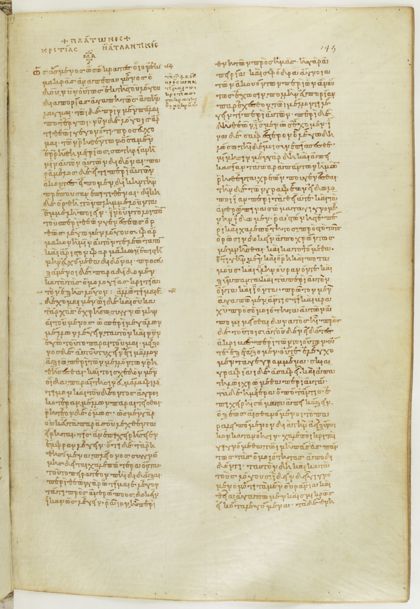
Plato, Critias 106a-106c: Timaeus ends his discourse with a prayer and hands over to Critias
Plato, Critias 107a-107e: Critias asks for indulgence: talk about mortals is judged more strictly than talk about gods
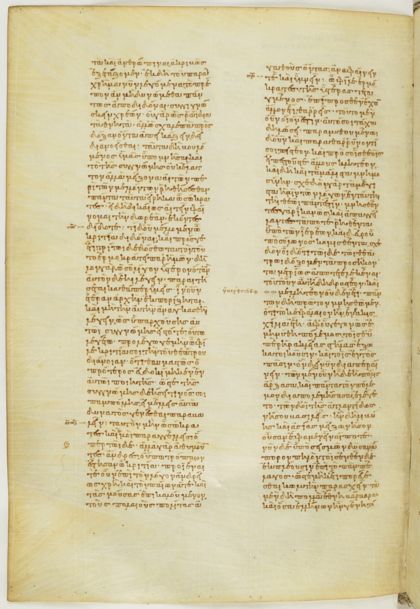
Plato, Critias 108a-108e: Hermocrates encourages Critias; the invocation of Memory
Plato, Critias 109a-109e: the war 9,000 years ago; the gods divide the earth; Hephaestus and Athena receive Attica
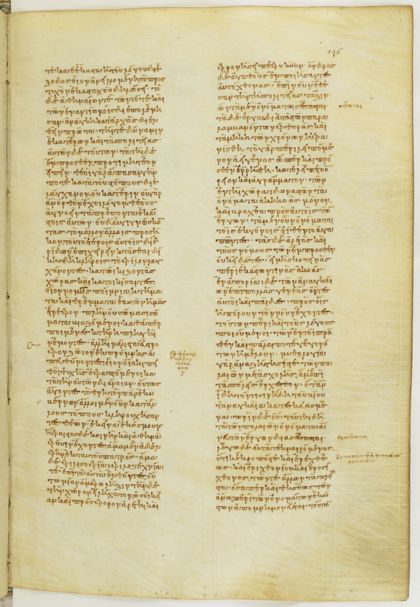
Plato, Critias 110a-110e: names remembered, deeds forgotten; the classes of ancient Athens; the borders of Attica
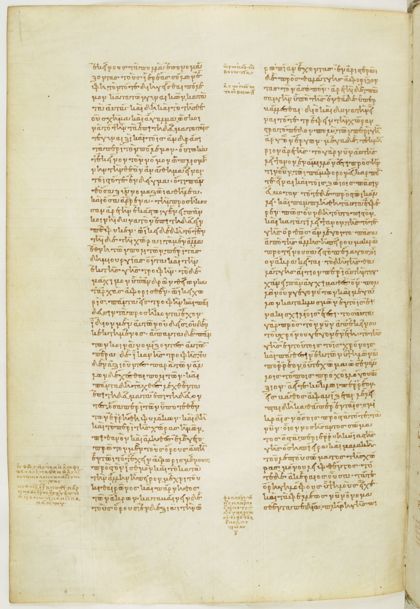
Plato, Critias 111a-111e: the fertility of ancient Attica and the soil carried off by floods
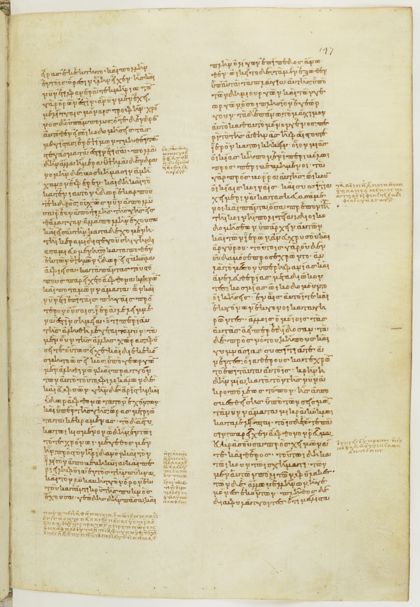
Plato, Critias 112a-112e: the ancient Acropolis, the guardians' dwellings and the number of the warriors
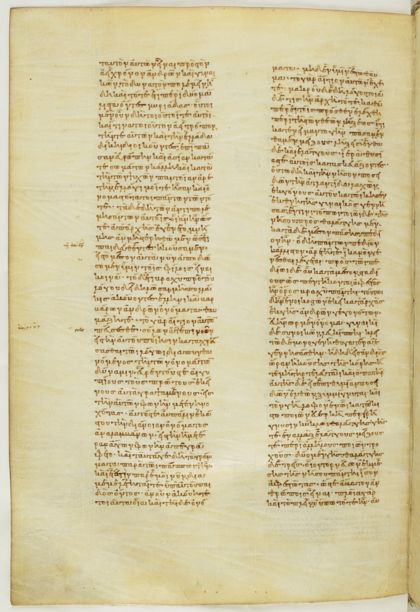
Plato, Critias 113a-113e: why the Atlantid names are Greek; Poseidon, Cleito and the rings of land and sea
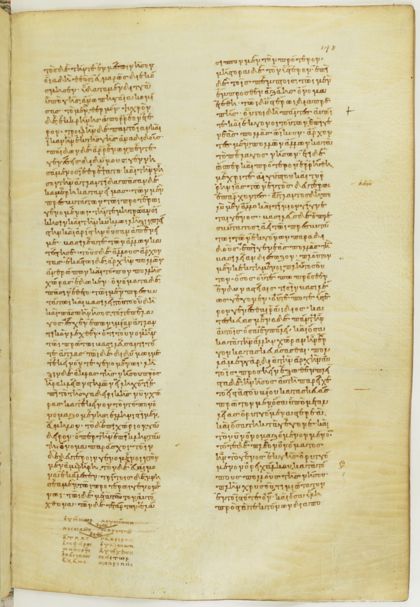
Plato, Critias 114a-114e: Atlas and the ten kings; the wealth of the island
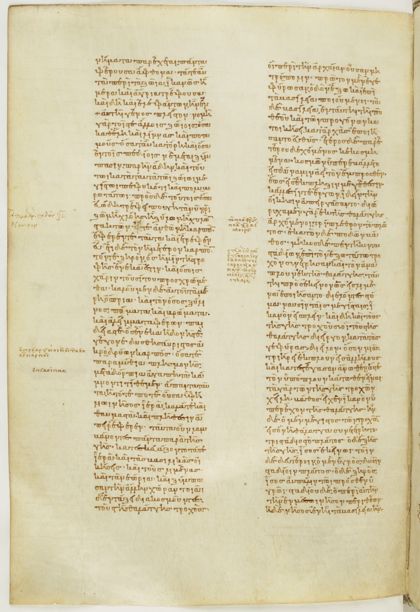
Plato, Critias 115a-115e: the produce of Atlantis; bridges and canals through the rings
Plato, Critias 116a-116e: the walls, the royal citadel and the temple of Poseidon
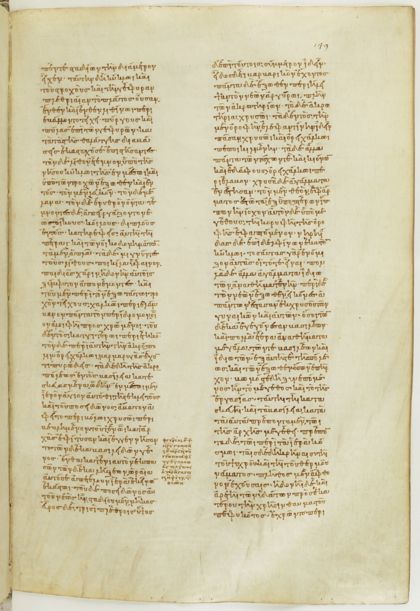
Plato, Critias 117a-117e: springs, baths, gardens, docks and the outer wall
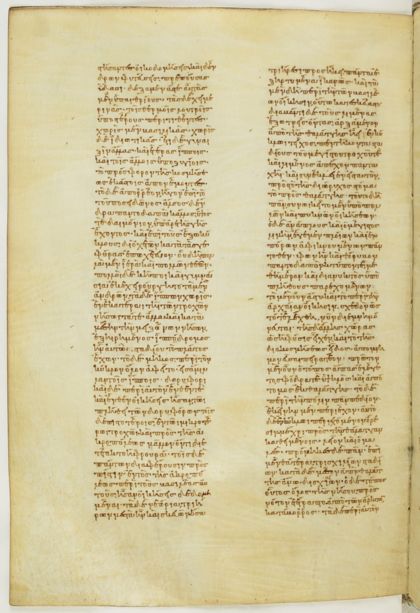
Plato, Critias 118a-118e: the great plain and its ditch and canals
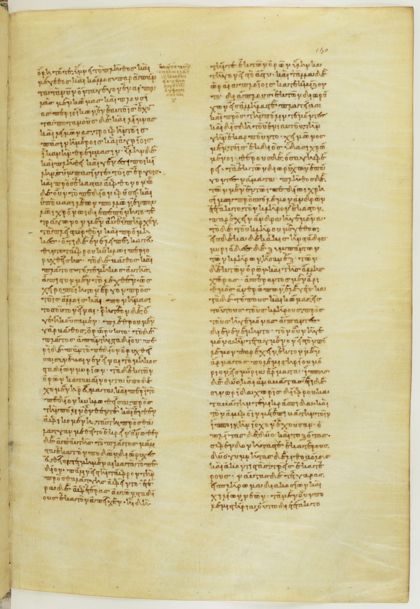
Plato, Critias 119a-119e: the allotments and the army; the laws of Poseidon and the bull sacrifice
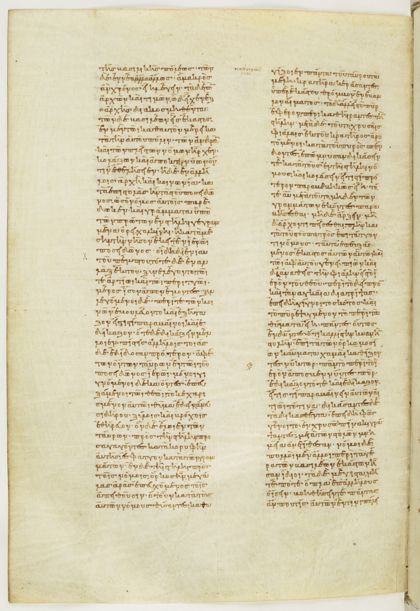
Plato, Critias 120a-120e: the kings' oath and judgment; the laws binding the ten kings
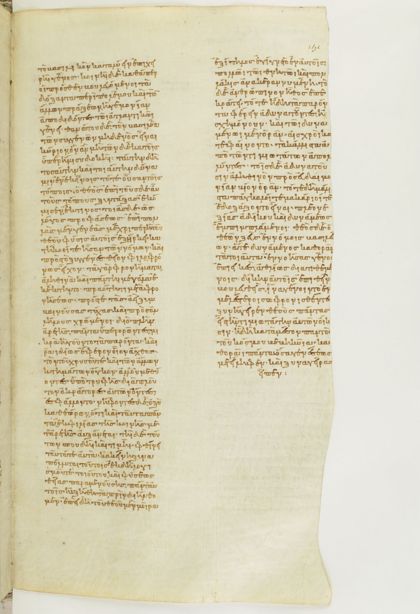
Plato, Critias 121a-121c: the kings' decline; Zeus calls the gods together (the dialogue breaks off)