Herodotus, Histories (Florence manuscript)
c. 430 BCE (composition); 10th c. (Laur. Plut. 70.3)
Herodotus' Histories page by page on the oldest manuscript of the work, Florence, Laur. Plut. 70.3 (10th century), with Godley's Greek text and his English translation. Books 1, 2, 3, 4, 5, 6 are complete.
76 entries · 584 sections, each with its manuscript image, original text and English
- Images: Herodotus (c. 430 BCE; Florence manuscript, 10th c.)
- Original text: Greek of A. D. Godley's Loeb edition (1920-1925), via Perseus
- English: A. D. Godley (1920-1925)
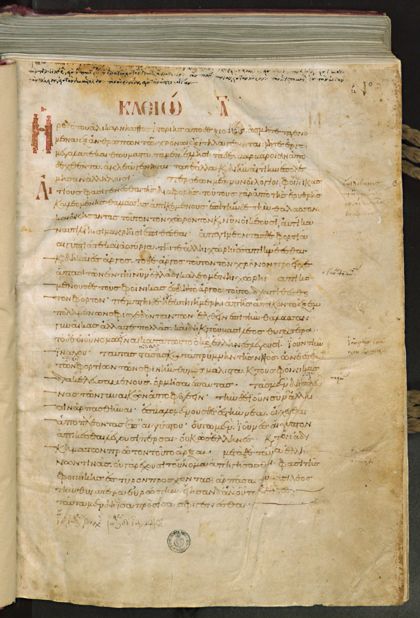
Herodotus, Histories 1.1-14: The causes of the war; Candaules and Gyges
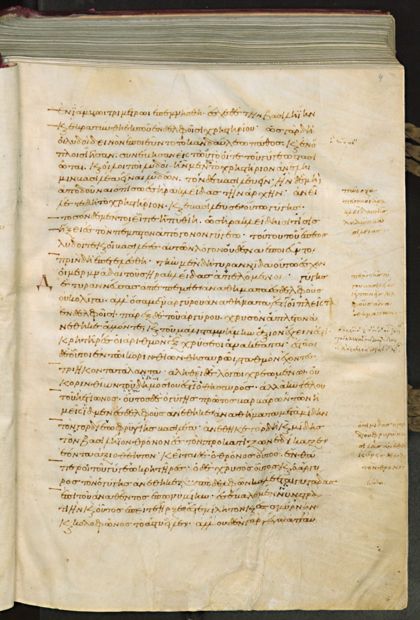
Herodotus, Histories 1.15-25: Ardys, Sadyattes and Alyattes; Arion and the dolphin
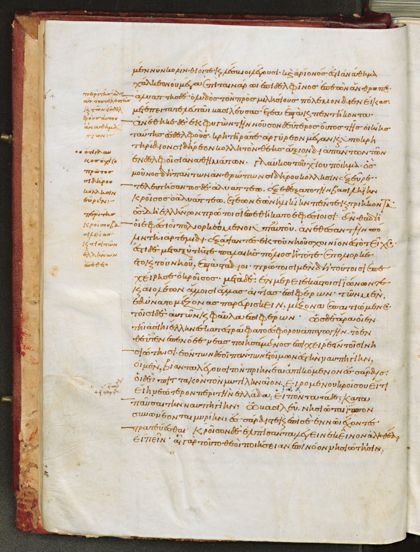
Herodotus, Histories 1.26-45: Croesus, Solon, and the death of Atys
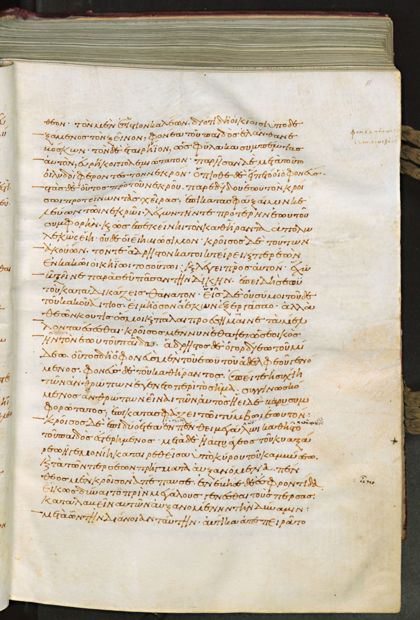
Herodotus, Histories 1.46-56: Croesus tests the oracles
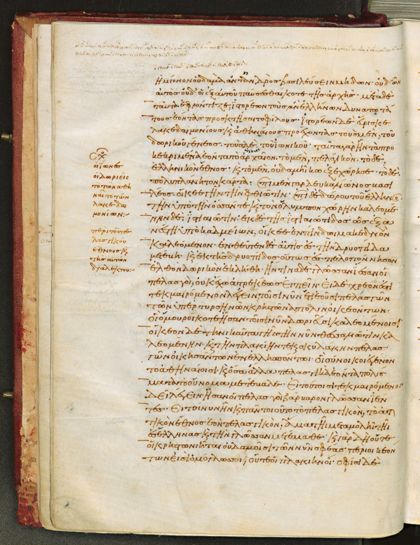
Herodotus, Histories 1.57-70: The Pelasgians; Athens under Peisistratus; Sparta
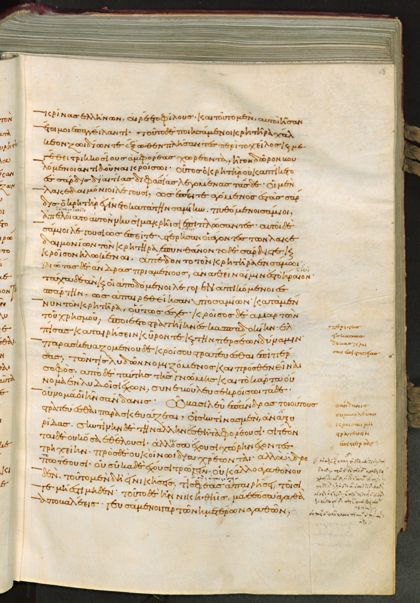
Herodotus, Histories 1.71-85: Croesus' war with Cyrus and the fall of Sardis
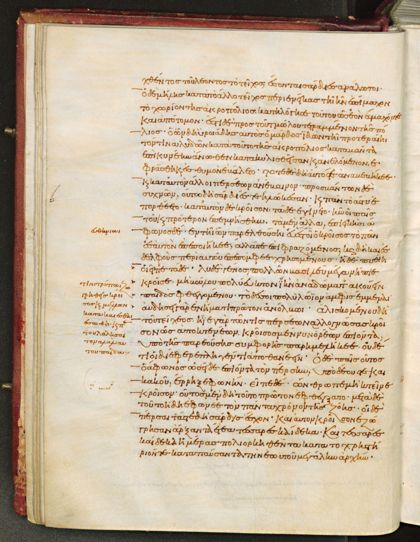
Herodotus, Histories 1.86-94: Croesus on the pyre; the Lydians
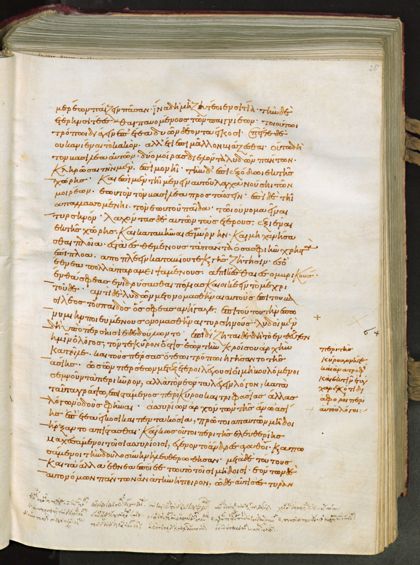
Herodotus, Histories 1.95-106: The Medes from Deioces to Cyaxares
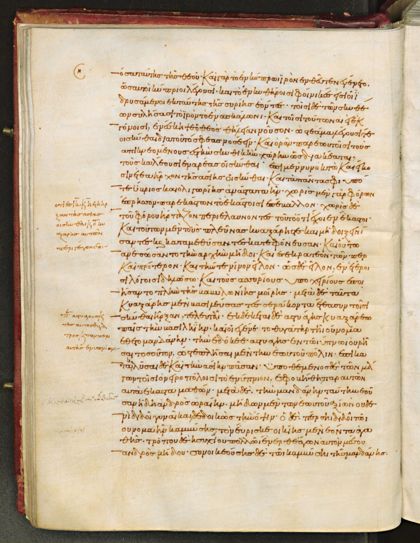
Herodotus, Histories 1.107-122: Astyages and the birth of Cyrus
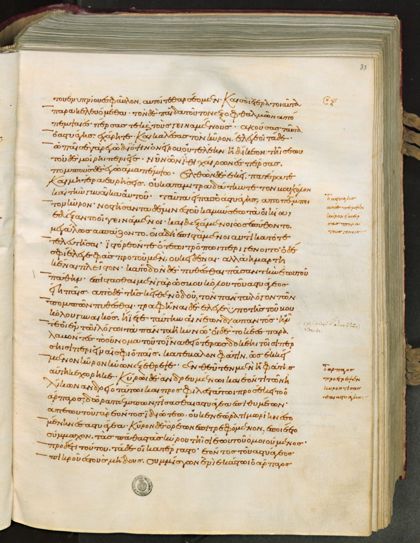
Herodotus, Histories 1.123-130: Harpagus and the revolt of the Persians
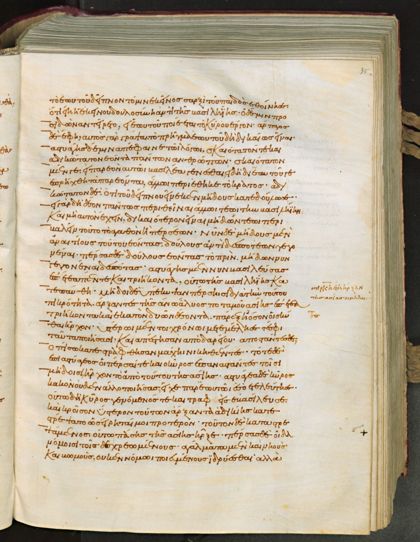
Herodotus, Histories 1.131-140: Persian customs
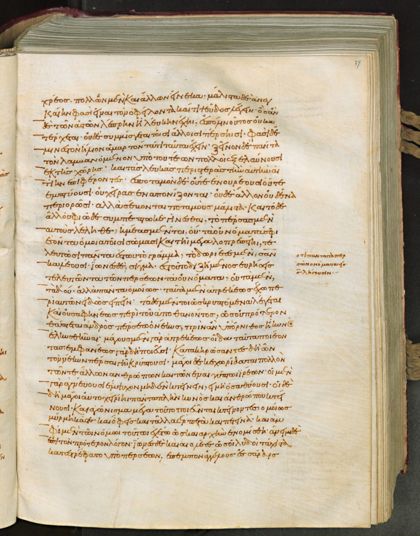
Herodotus, Histories 1.141-151: The Ionians and Aeolians
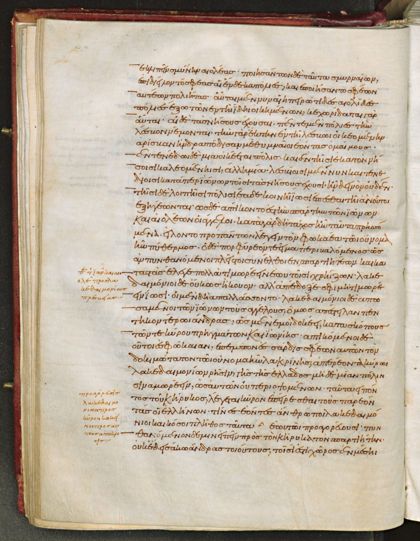
Herodotus, Histories 1.152-161: Sparta's warning to Cyrus; the revolt of Pactyes
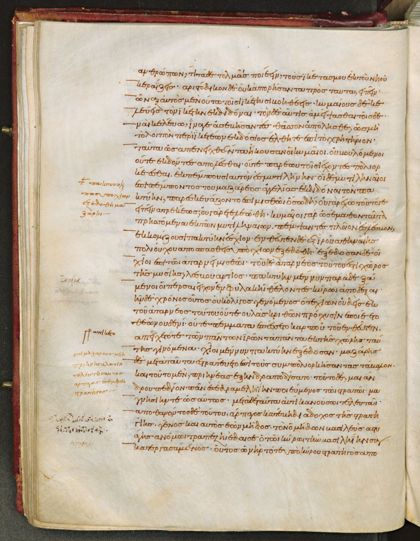
Herodotus, Histories 1.162-177: Harpagus conquers Ionia, Caria and Lycia
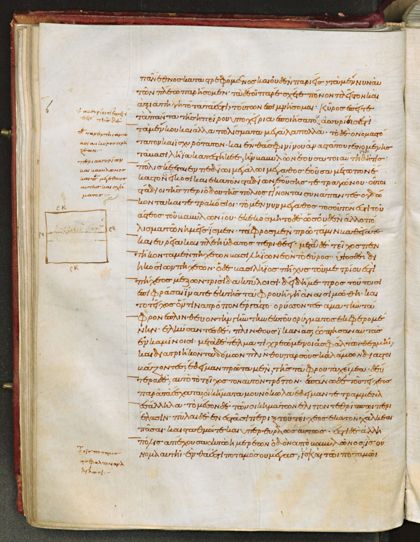
Herodotus, Histories 1.178-187: Babylon and its queens
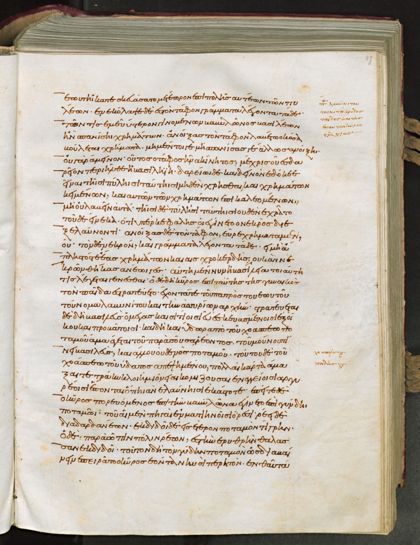
Herodotus, Histories 1.188-200: The capture of Babylon; Babylonian customs
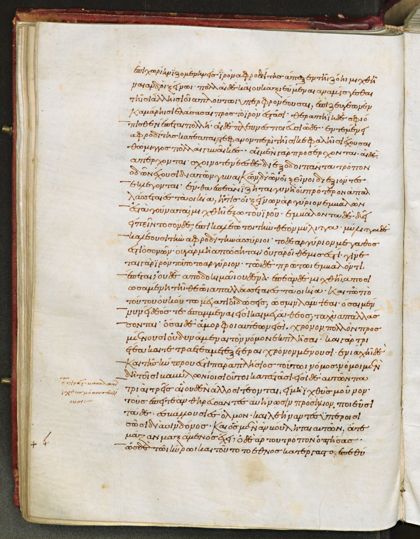
Herodotus, Histories 1.201-216: Cyrus against the Massagetae; the death of Cyrus
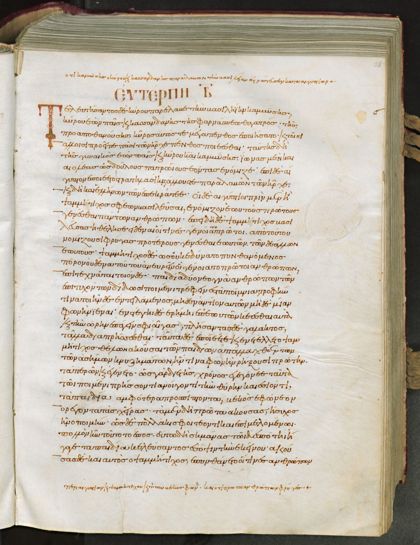
Herodotus, Histories 2.1-18: Psammetichus' experiment; the land of Egypt
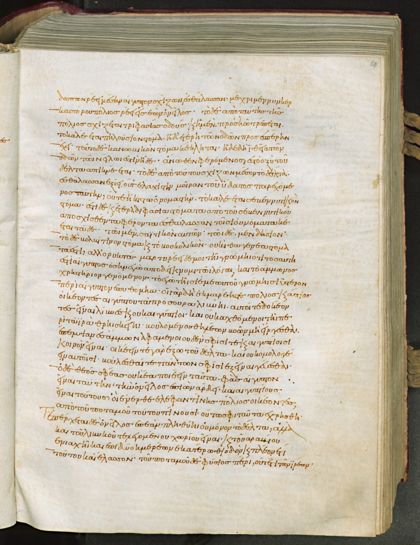
Herodotus, Histories 2.19-34: The Nile, its flooding and its course
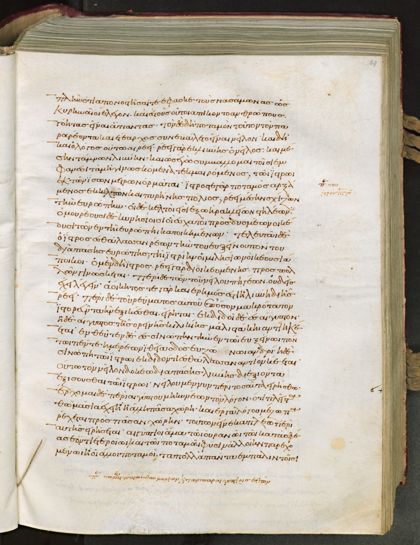
Herodotus, Histories 2.35-53: Egyptian customs and the Egyptian origin of Greek gods
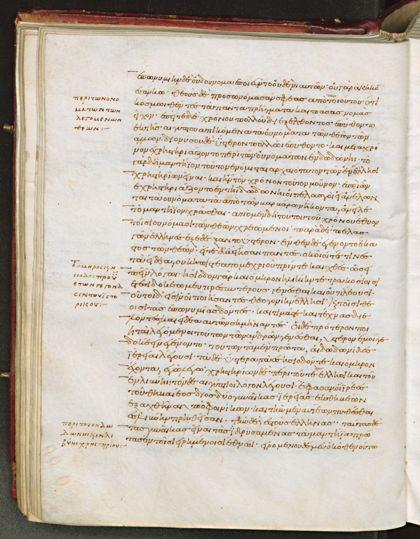
Herodotus, Histories 2.54-64: Oracles and festivals
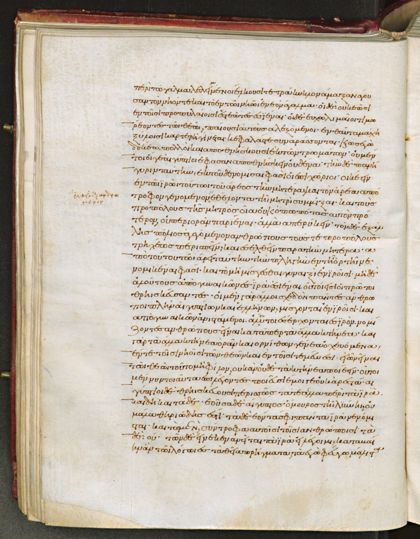
Herodotus, Histories 2.65-76: Sacred animals
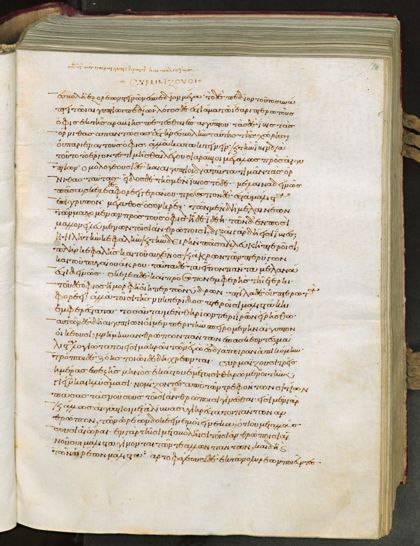
Herodotus, Histories 2.77-90: Egyptian diet, medicine and embalming
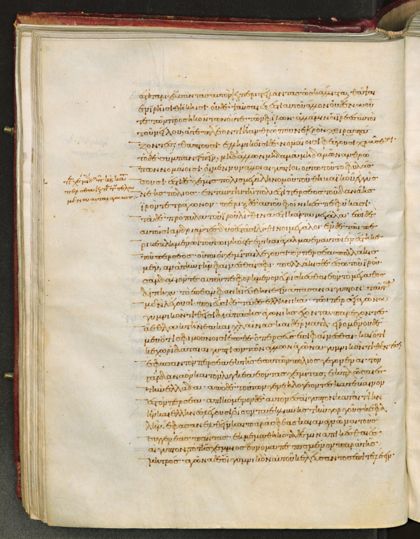
Herodotus, Histories 2.91-98: Chemmis, the marsh-dwellers and the Nile boats
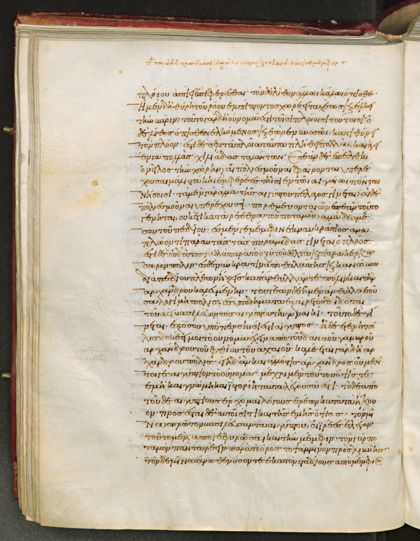
Herodotus, Histories 2.99-110: Min, Nitocris, Moeris and Sesostris
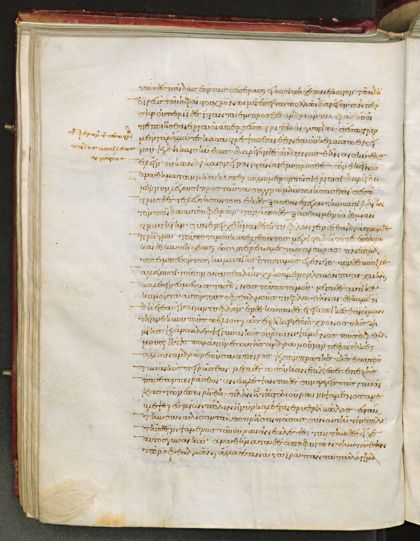
Herodotus, Histories 2.111-123: Pheros, Proteus and Helen; Rhampsinitus
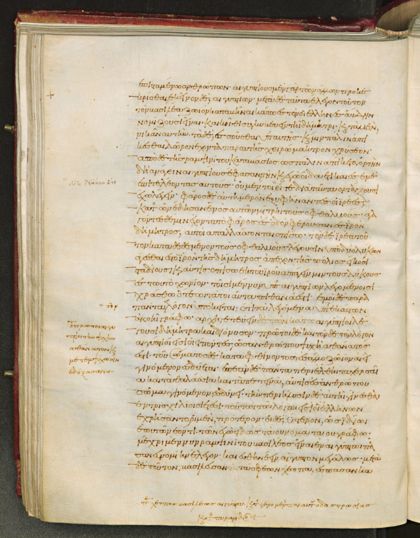
Herodotus, Histories 2.124-136: The pyramid builders
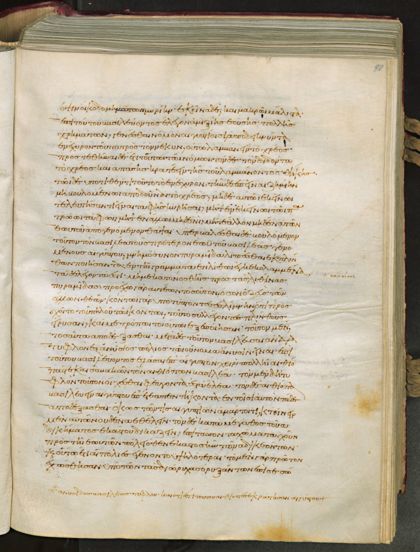
Herodotus, Histories 2.137-150: Sabacos, Sethos, the priests' chronology and the labyrinth
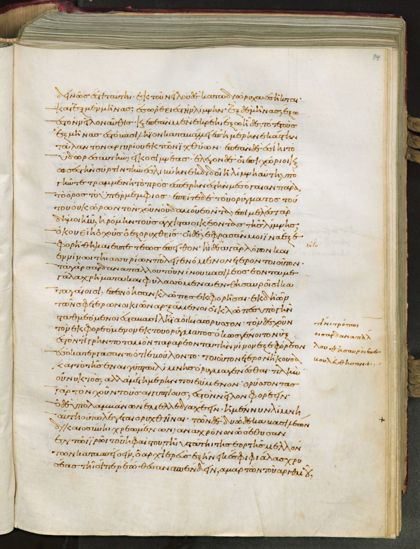
Herodotus, Histories 2.151-169: Psammetichus, Necos, Psammis and Apries
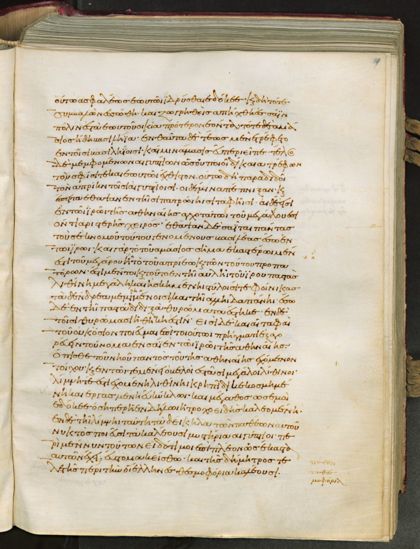
Herodotus, Histories 2.170-182: Amasis
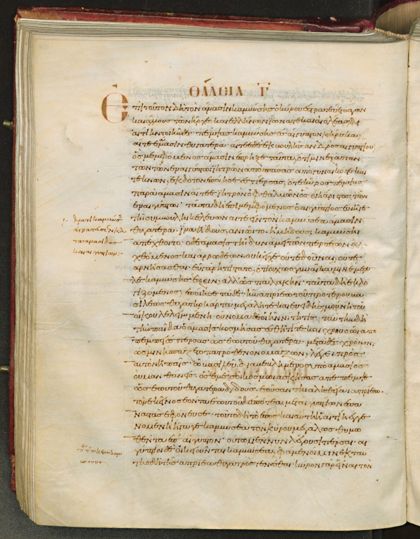
Herodotus, Histories 3.1-16: Cambyses conquers Egypt
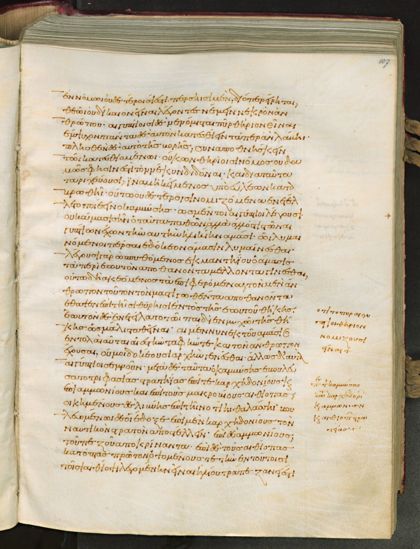
Herodotus, Histories 3.17-29: The long-lived Ethiopians, Ammon and the Apis
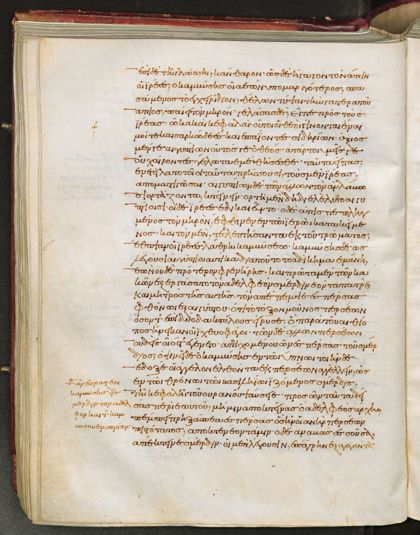
Herodotus, Histories 3.30-38: The madness of Cambyses
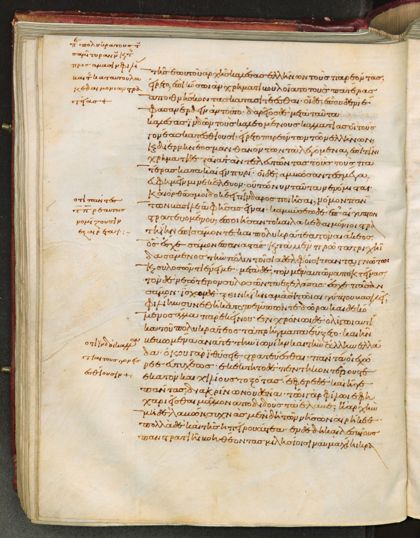
Herodotus, Histories 3.39-49: Polycrates and his ring
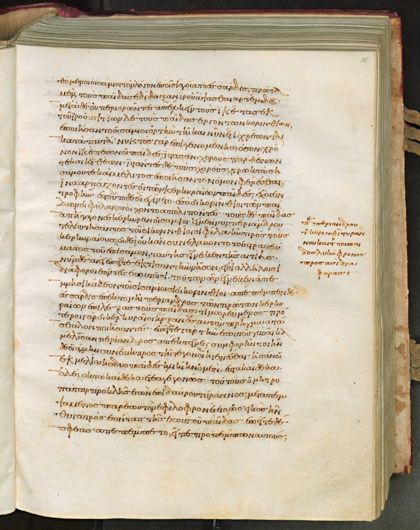
Herodotus, Histories 3.50-60: Periander and Lycophron; the Samians
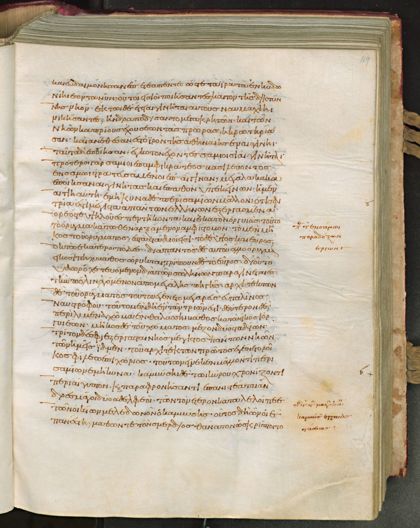
Herodotus, Histories 3.61-79: The Magi and the seven conspirators
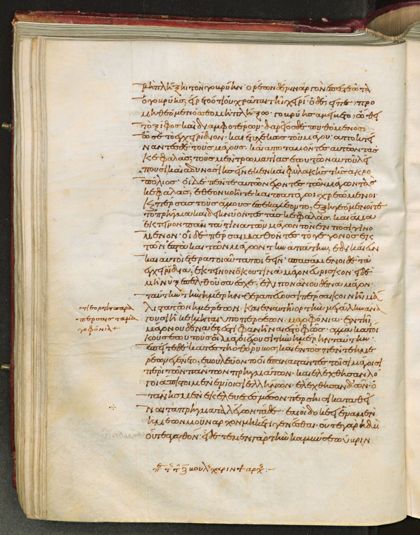
Herodotus, Histories 3.80-88: The debate on government; Darius becomes king
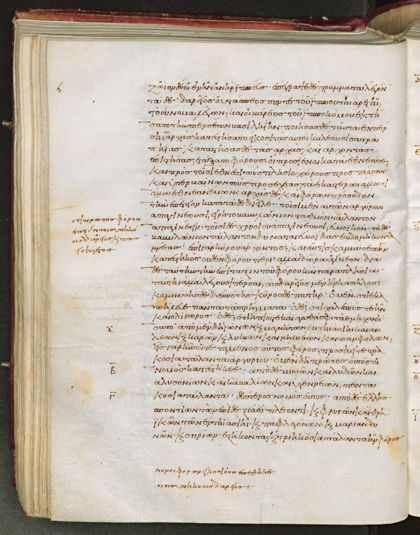
Herodotus, Histories 3.89-105: The tribute of the provinces; the Indians and their gold
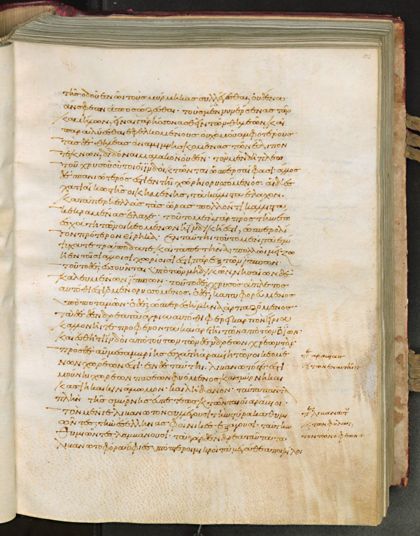
Herodotus, Histories 3.106-117: The ends of the earth
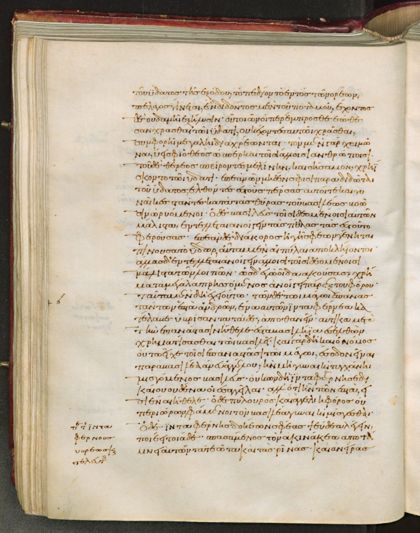
Herodotus, Histories 3.118-138: Intaphrenes, Oroetes and Democedes
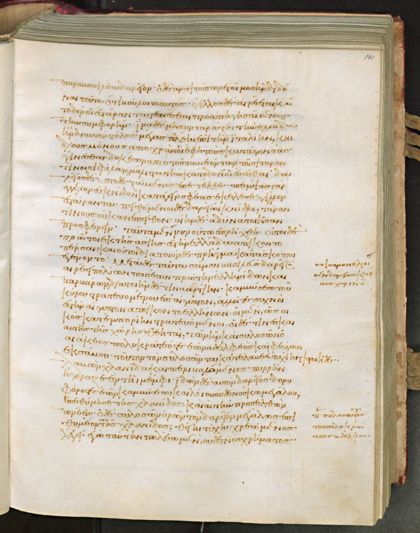
Herodotus, Histories 3.139-149: Syloson and the taking of Samos
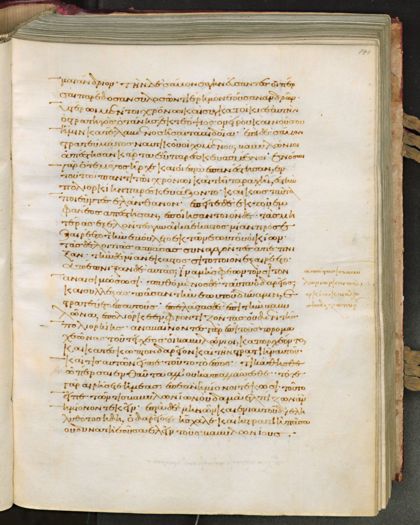
Herodotus, Histories 3.150-160: The revolt of Babylon and Zopyrus
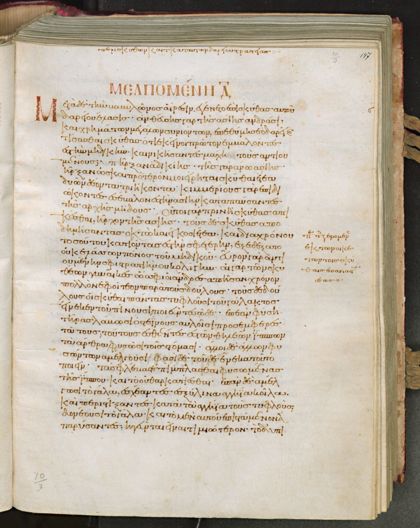
Herodotus, Histories 4.1-15: The origins of the Scythians
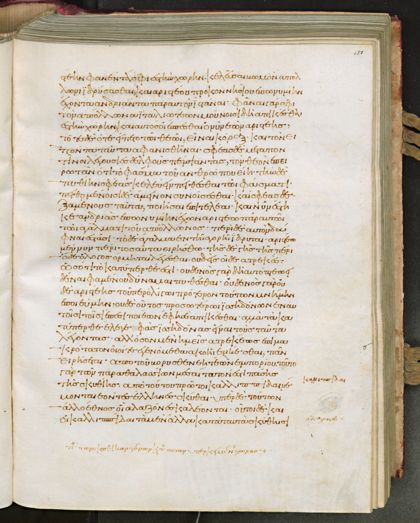
Herodotus, Histories 4.16-36: The peoples north of Scythia; the Hyperboreans
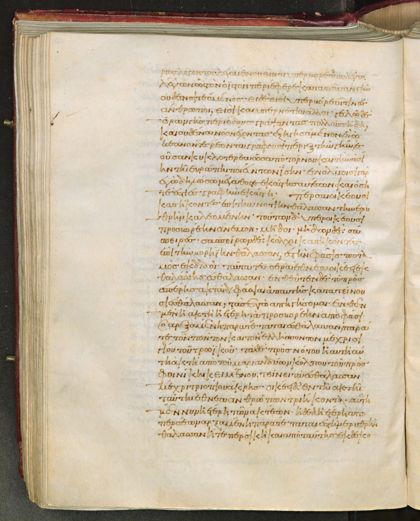
Herodotus, Histories 4.37-45: The shape of the world: Asia, Libya and Europe
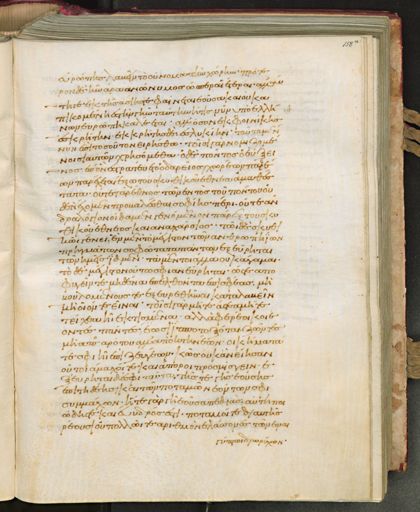
Herodotus, Histories 4.46-58: The rivers of Scythia
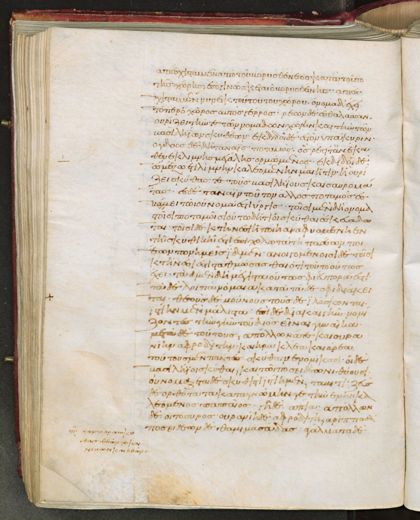
Herodotus, Histories 4.59-75: Scythian gods, war customs and burials
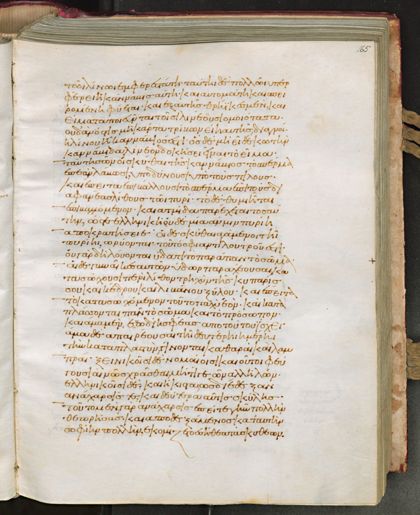
Herodotus, Histories 4.76-82: Anacharsis, Scyles and the size of Scythia
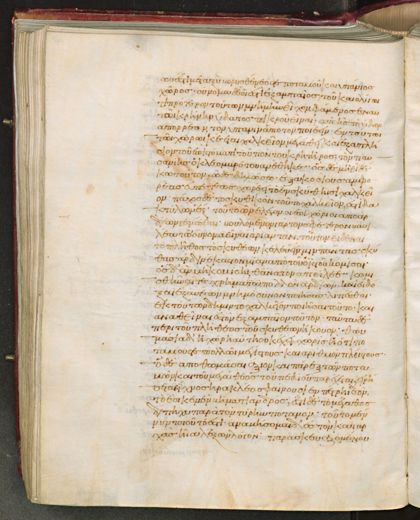
Herodotus, Histories 4.83-98: Darius crosses into Europe
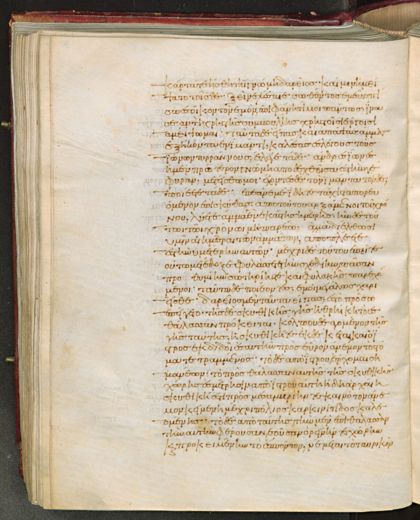
Herodotus, Histories 4.99-117: The Tauri and the neighbours of Scythia; the Amazons
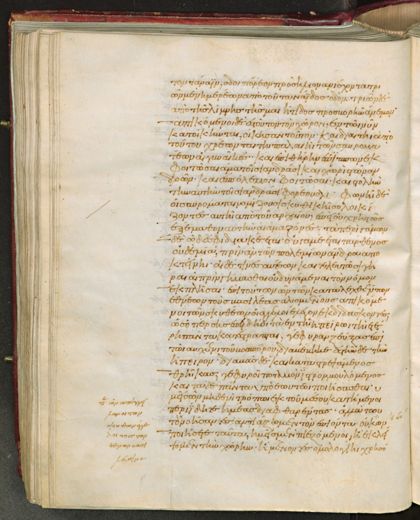
Herodotus, Histories 4.118-131: Darius pursues the Scythians
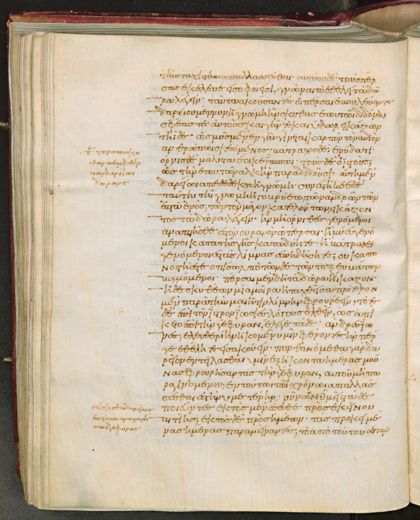
Herodotus, Histories 4.132-142: The Ionians at the Ister bridge; Darius' retreat
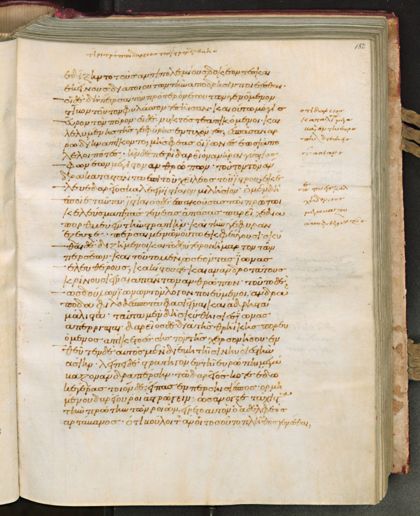
Herodotus, Histories 4.143-158: The Minyae, Thera and the founding of Cyrene
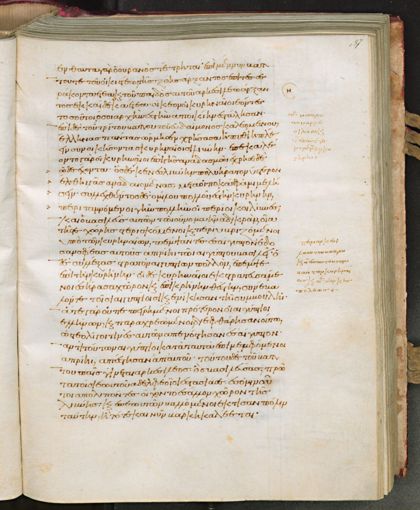
Herodotus, Histories 4.159-167: The kings of Cyrene
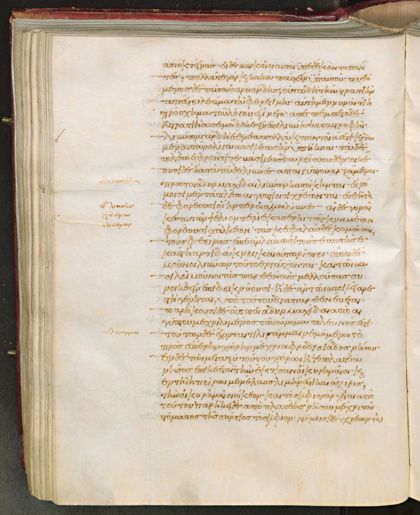
Herodotus, Histories 4.168-185: The peoples of Libya
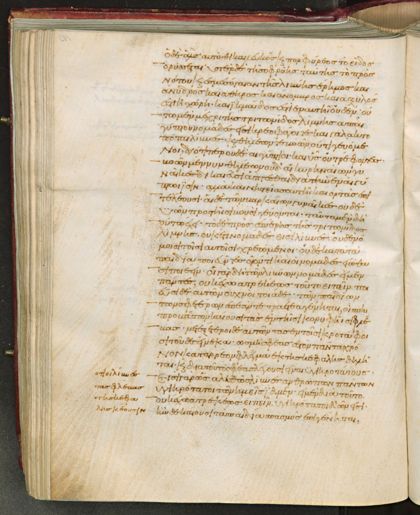
Herodotus, Histories 4.186-199: Libyan customs, animals and trade
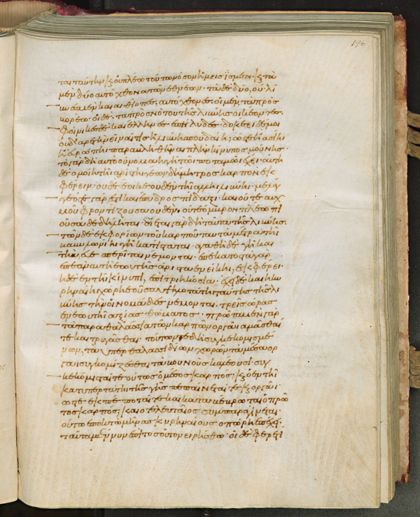
Herodotus, Histories 4.200-205: The siege of Barca and the death of Pheretime
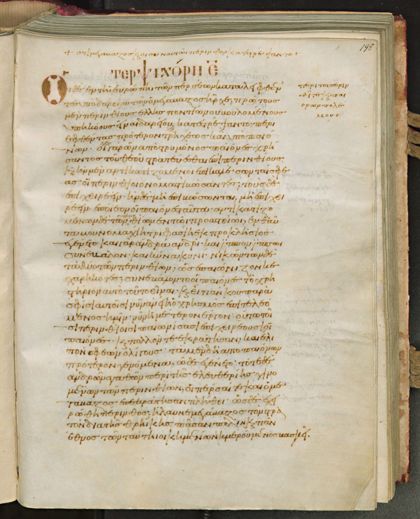
Herodotus, Histories 5.1-16: Megabazus in Thrace; the Paeonians
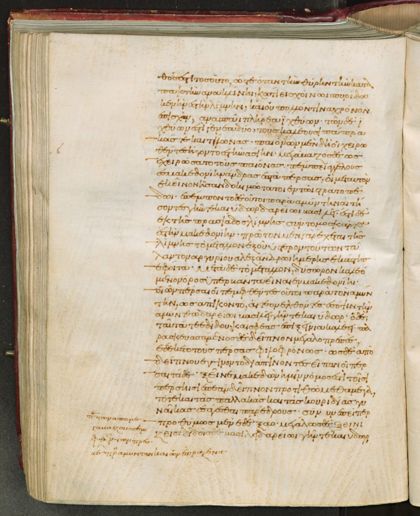
Herodotus, Histories 5.17-27: Alexander of Macedon and the Persian envoys
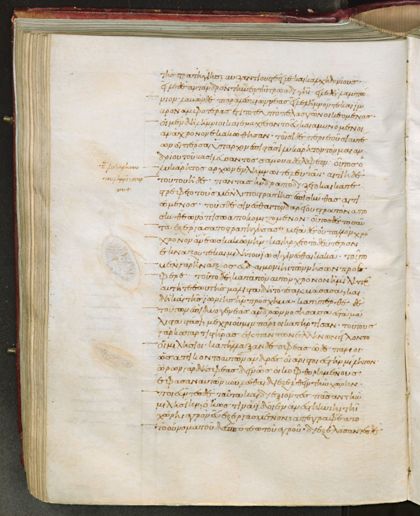
Herodotus, Histories 5.28-38: The expedition to Naxos and the beginning of the Ionian revolt
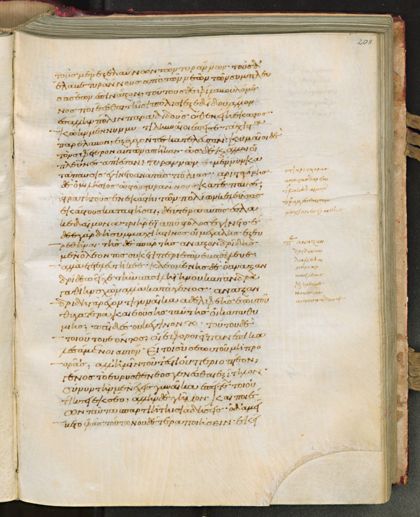
Herodotus, Histories 5.39-48: Cleomenes and Dorieus
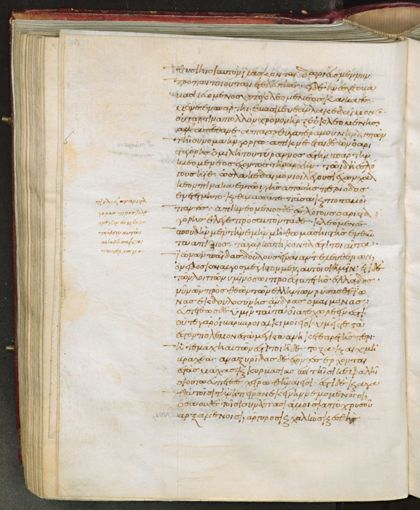
Herodotus, Histories 5.49-61: Aristagoras at Sparta; the Royal Road; the Cadmean letters
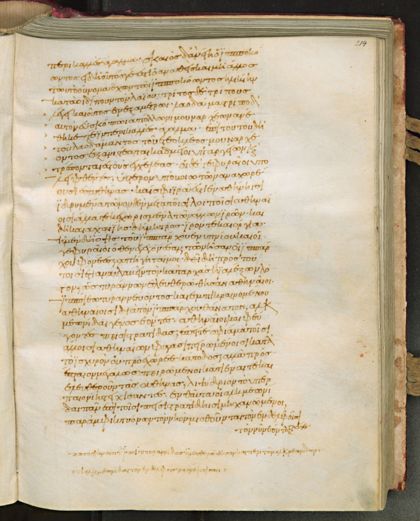
Herodotus, Histories 5.62-78: The freeing of Athens; Cleisthenes; Athens against her neighbours
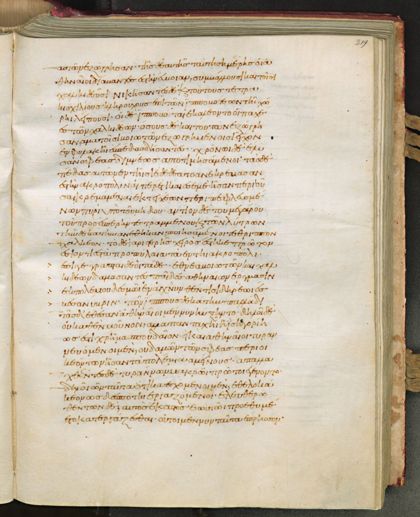
Herodotus, Histories 5.79-96: Thebes and Aegina; the speech of Socles
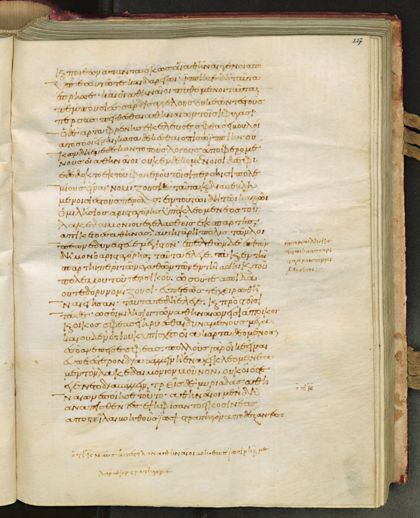
Herodotus, Histories 5.97-113: The burning of Sardis; the revolt of Cyprus
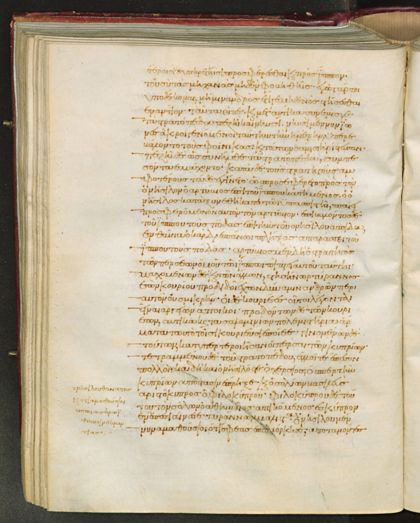
Herodotus, Histories 5.114-126: The Carians and the end of Aristagoras
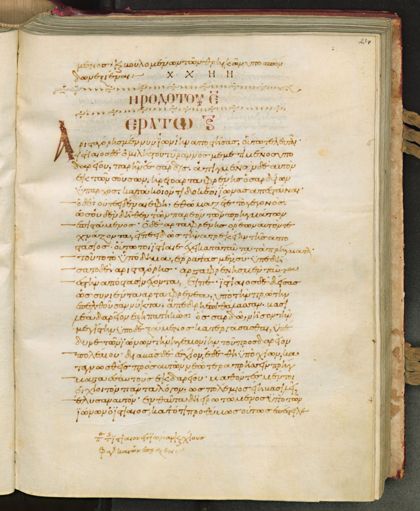
Herodotus, Histories 6.1-17: Histiaeus; the battle of Lade
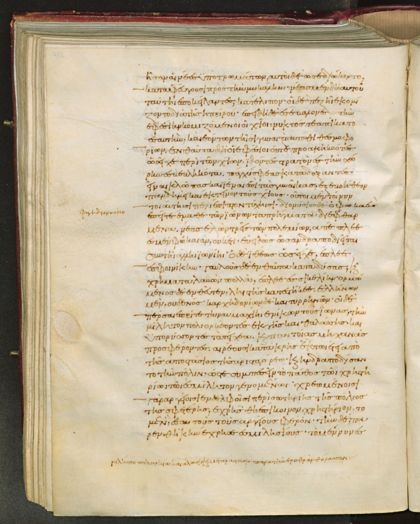
Herodotus, Histories 6.18-33: The fall of Miletus and the end of the Ionian revolt
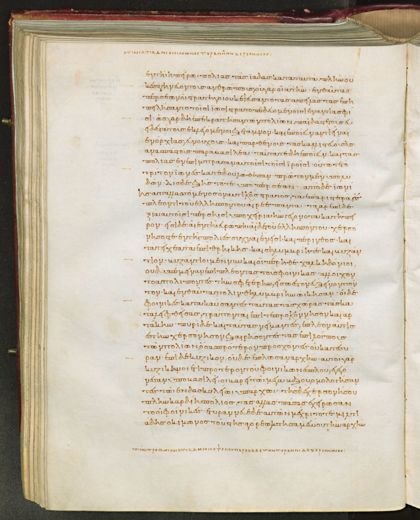
Herodotus, Histories 6.34-47: Miltiades in the Chersonese; the expedition of Mardonius
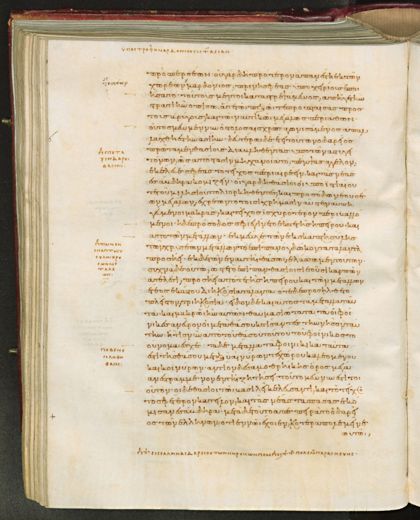
Herodotus, Histories 6.48-60: Earth and water; the kings of Sparta
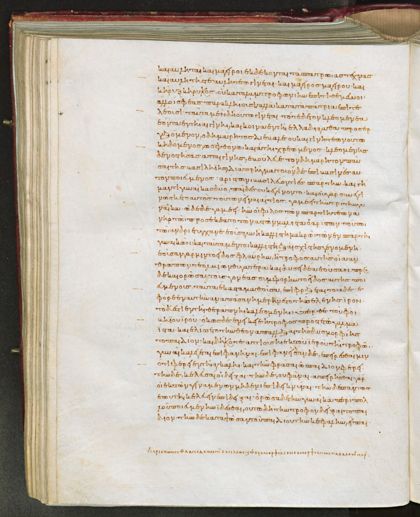
Herodotus, Histories 6.61-72: Demaratus and Leotychides
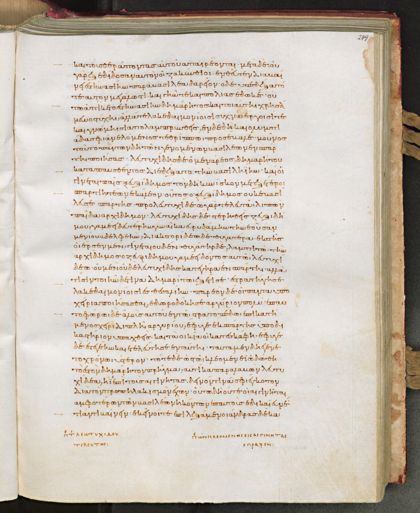
Herodotus, Histories 6.73-84: Cleomenes at Aegina and Argos; his madness and death
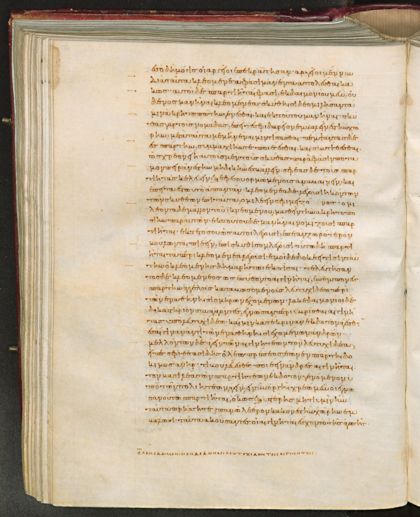
Herodotus, Histories 6.85-94: Glaucus; Athens and Aegina
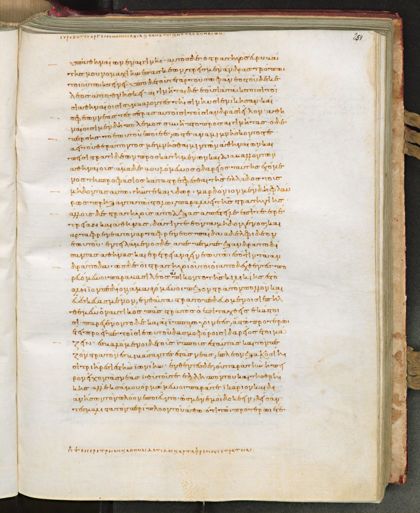
Herodotus, Histories 6.95-110: Naxos, Delos and Eretria; before Marathon
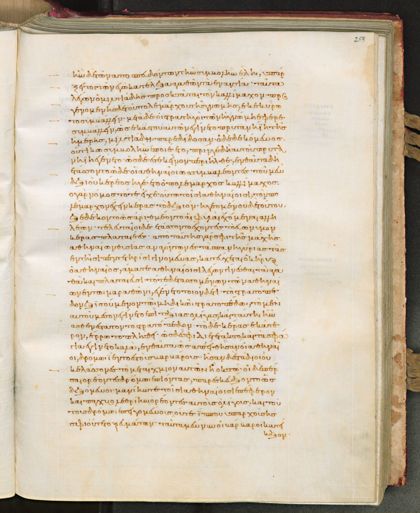
Herodotus, Histories 6.111-124: The battle of Marathon
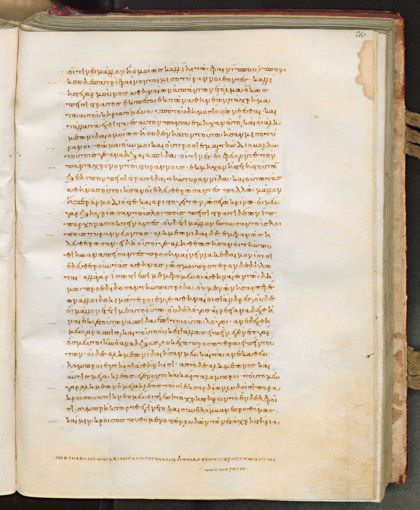
Herodotus, Histories 6.125-140: The wooing of Agariste; Miltiades at Paros and Lemnos