Plato, Timaeus (Paris gr. 1807)
c. 360 BCE (composition); c. 850-875 AD (Paris gr. 1807)
The complete Timaeus, Plato's account of the making of the world, which opens with Critias' story of Atlantis (20d-25d). Every Stephanus section is shown on the page of the oldest medieval manuscript that carries it, Paris gr. 1807 (9th century), with Burnet's Greek and R. G. Bury's English.
76 entries · 364 sections, each with its manuscript image, original text and English
- Images: Plato (c. 360 BCE); Paris, BnF grec 1807, c. 850-875
- Original text: Burnet, Platonis Opera IV (1902), via Perseus
- English: R. G. Bury (Loeb, 1929)
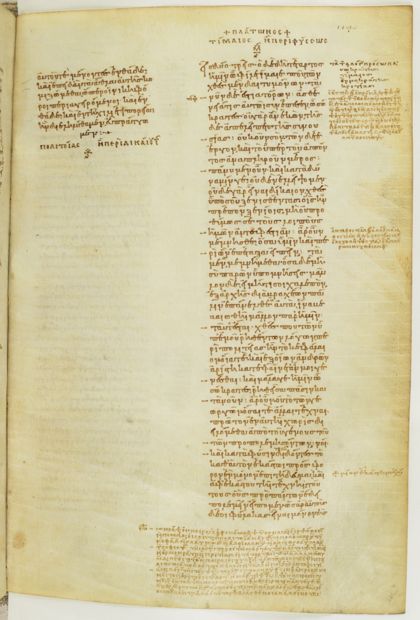
Plato, Timaeus 17a-17d: Socrates counts the guests and recalls yesterday's discussion of the best city
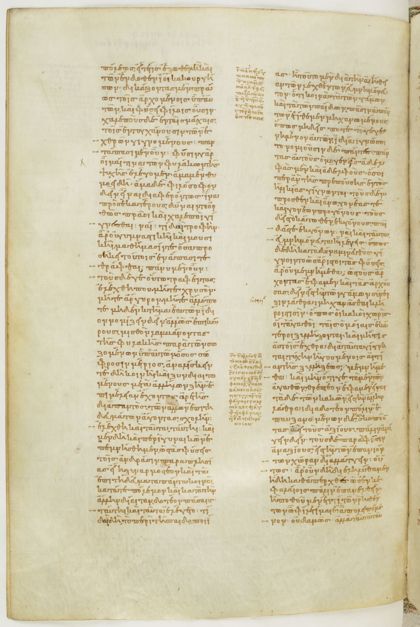
Plato, Timaeus 18a-18e: the recapitulation continued: guardians, women, marriages and children
Plato, Timaeus 19a-19e: Socrates wishes to see the city he described in action
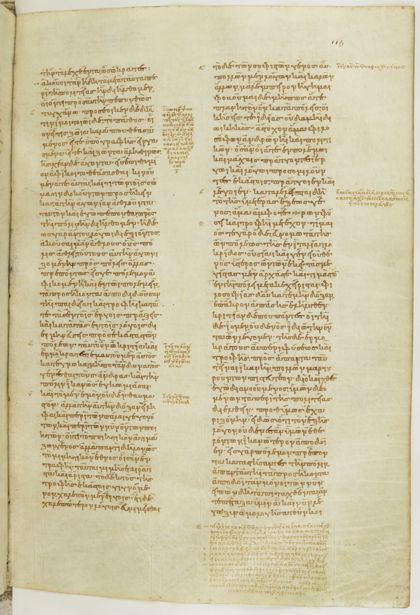
Plato, Timaeus 20a-20e: the speakers' qualifications; Critias introduces the story Solon brought from Egypt
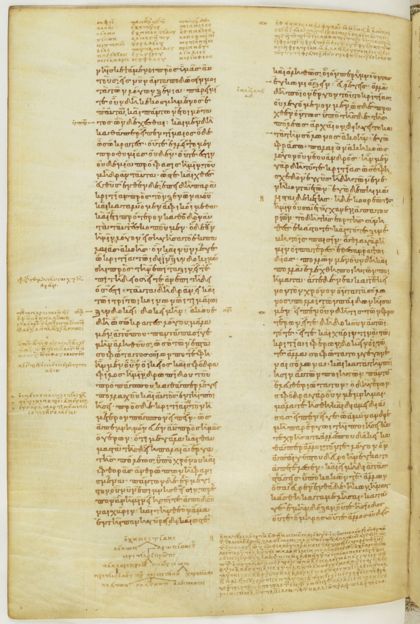
Plato, Timaeus 21a-21e: Critias heard the story as a boy at the Apaturia; Solon at Sais
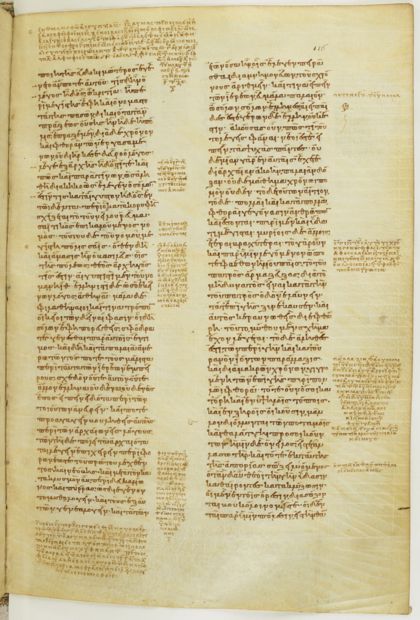
Plato, Timaeus 22a-22e: the Egyptian priest: 'you Greeks are always children'; floods and conflagrations
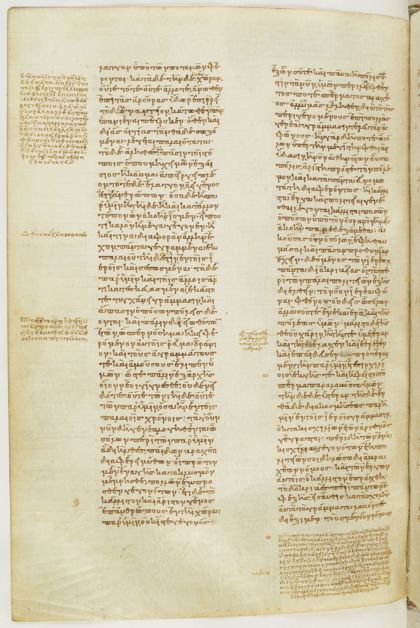
Plato, Timaeus 23a-23e: Egypt keeps the old records; the ancient Athens destroyed by flood
Plato, Timaeus 24a-24e: the laws of ancient Athens compared with Egypt's; the power from the Atlantic Ocean
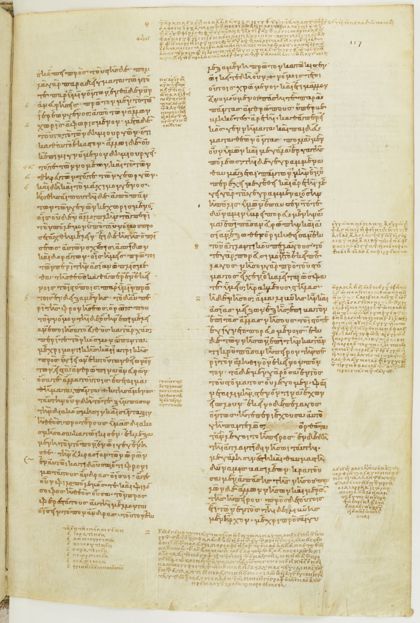
Plato, Timaeus 25a-25e: Atlantis, its empire and its defeat by Athens; the island sinks into the sea
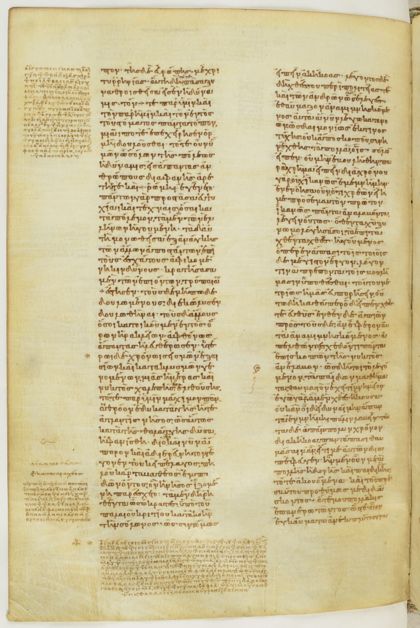
Plato, Timaeus 26a-26e: Critias recalled the story overnight; it will be fitted to Socrates' city
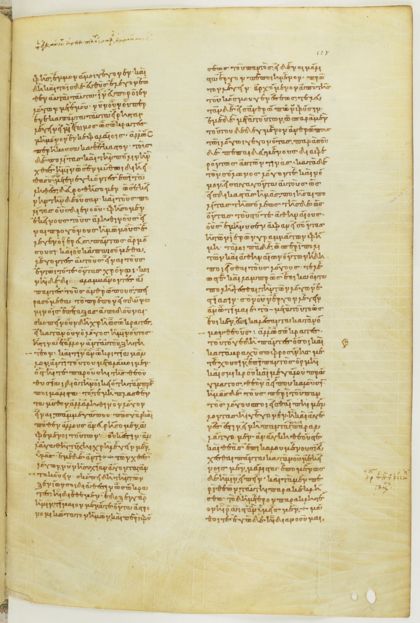
Plato, Timaeus 27a-27d: the order of the speeches; Timaeus' invocation; Being and Becoming
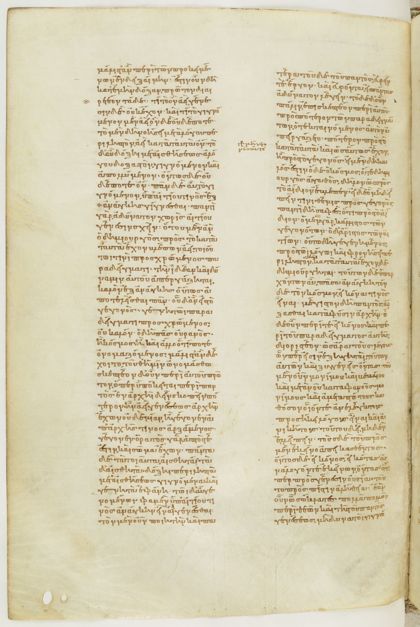
Plato, Timaeus 28a-28c: whatever becomes has a cause; the maker and father of the universe
Plato, Timaeus 29a-29e: the world is a copy of an eternal model; a likely account; the maker was good
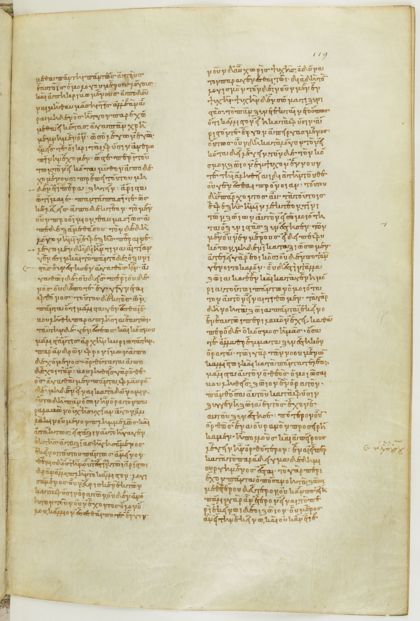
Plato, Timaeus 30a-30d: order out of disorder; the world a living creature with soul and reason
Plato, Timaeus 31a-31c: one world, not many; the body of the world made of fire and earth
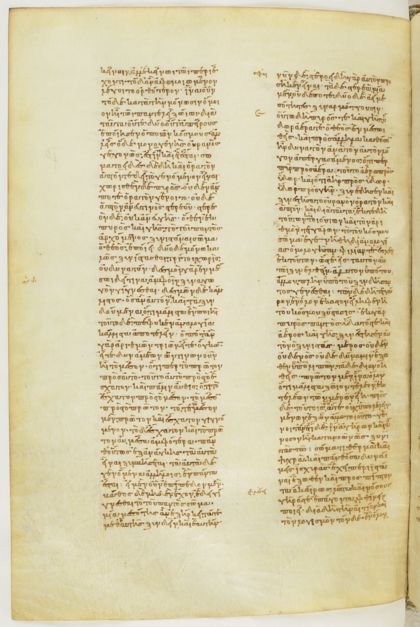
Plato, Timaeus 32a-32d: proportion: air and water placed between fire and earth
Plato, Timaeus 33a-33d: the world uses all four elements; its spherical shape
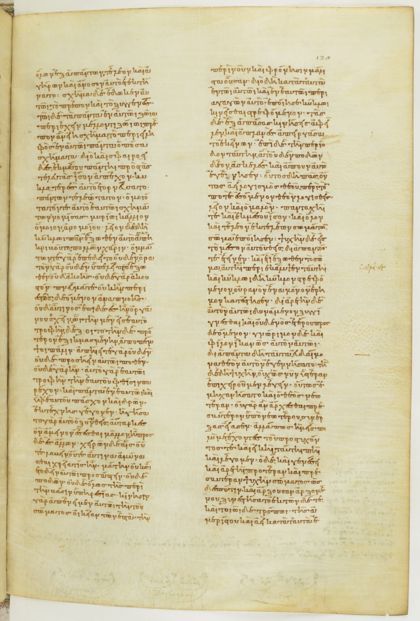
Plato, Timaeus 34a-34c: the rotation of the world; the world soul
Plato, Timaeus 35a-35c: the soul compounded of Same, Different and Being; the first divisions
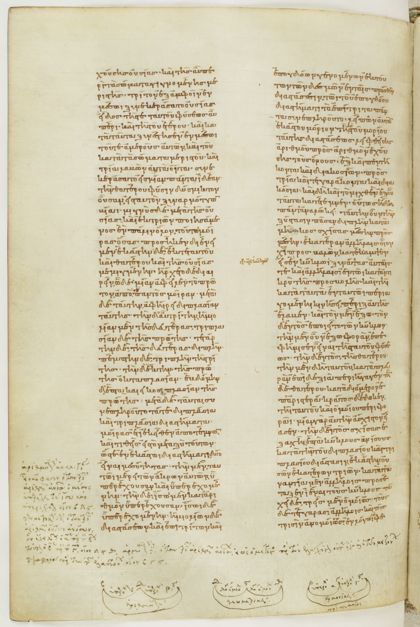
Plato, Timaeus 36a-36e: the harmonic intervals; the circles of the Same and the Different
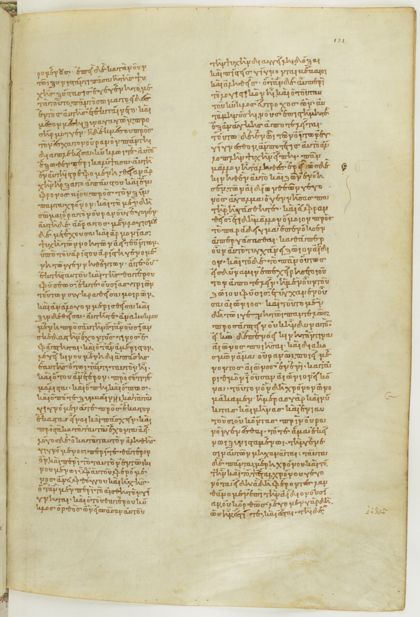
Plato, Timaeus 37a-37e: the knowledge of the world soul; time, the moving image of eternity
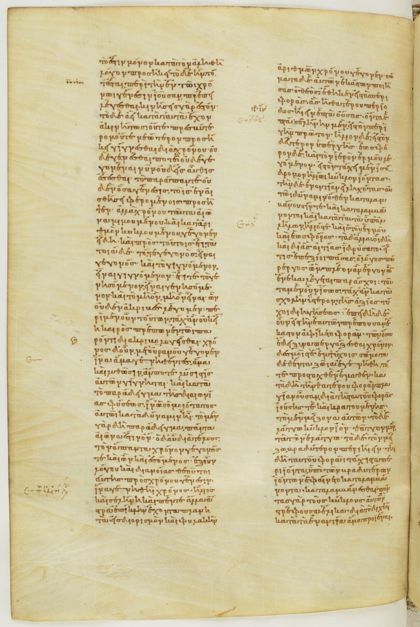
Plato, Timaeus 38a-38e: was, is and will be; sun, moon and planets made to mark time
Plato, Timaeus 39a-39e: the motions of the planets; day, month and year; the perfect year
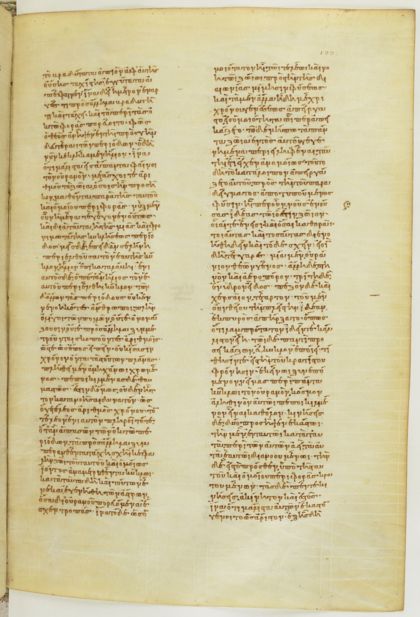
Plato, Timaeus 40a-40e: the fixed stars, the earth and the traditional gods
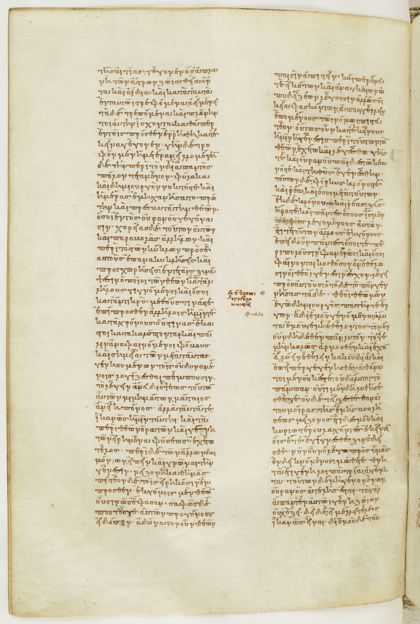
Plato, Timaeus 41a-41e: the maker's speech to the gods; the mixing of souls
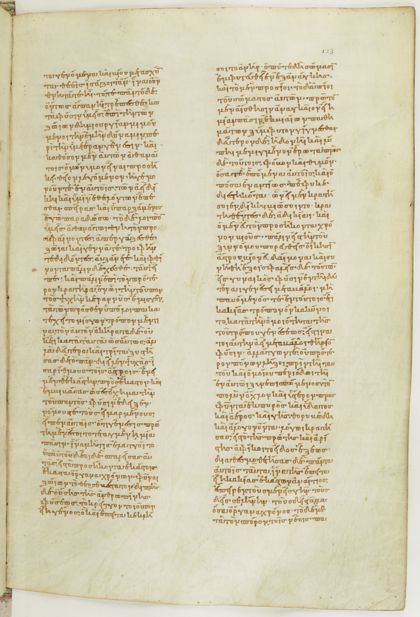
Plato, Timaeus 42a-42e: souls sown in the stars; the young gods shape mortal bodies
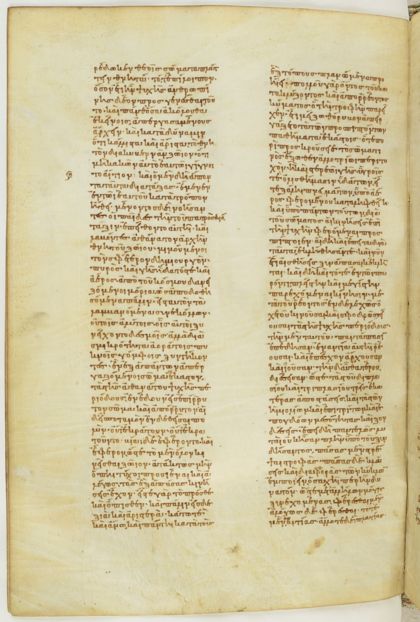
Plato, Timaeus 43a-43e: the soul enters the body; the six motions disturb its circles
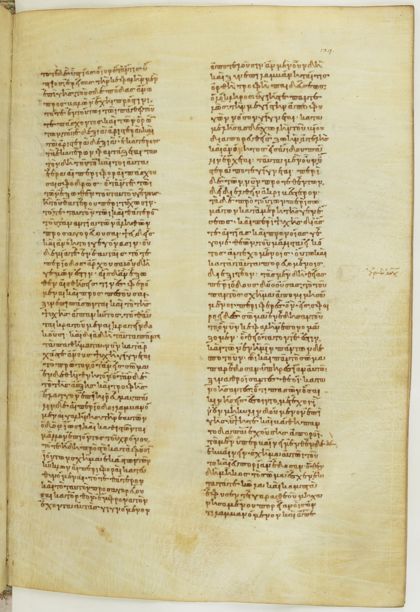
Plato, Timaeus 44a-44e: how the soul regains its reason; the head and the body
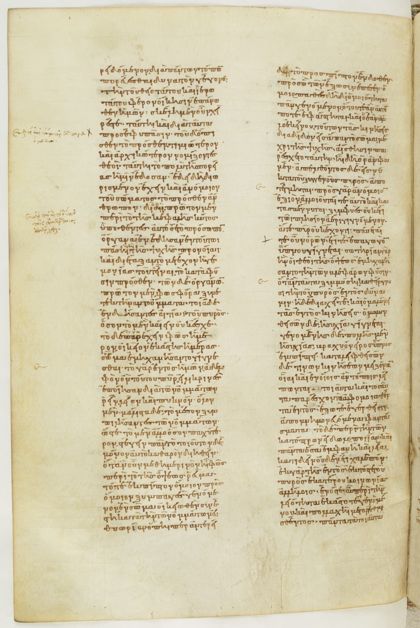
Plato, Timaeus 45a-45e: limbs, face and eyes; how vision works
Plato, Timaeus 46a-46e: dreams and mirrors; auxiliary causes
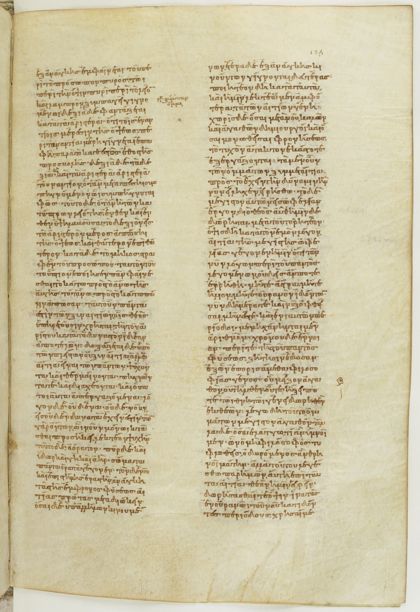
Plato, Timaeus 47a-47e: the purpose of sight, hearing and voice
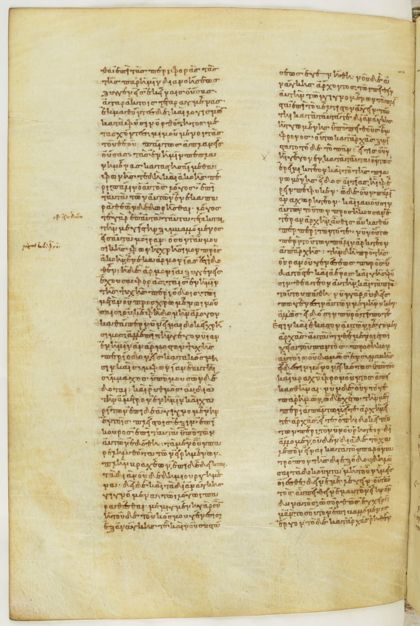
Plato, Timaeus 48a-48e: Reason and Necessity; a new beginning
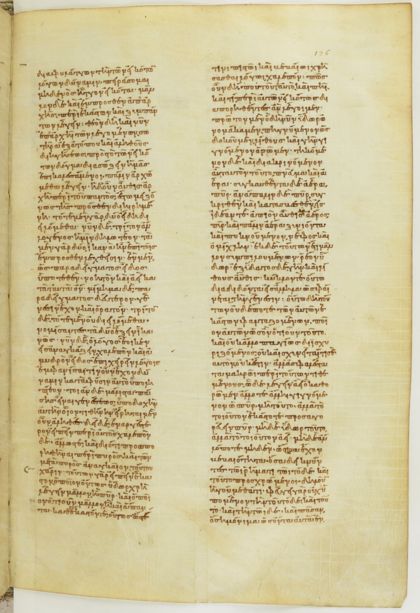
Plato, Timaeus 49a-49e: the receptacle, nurse of all becoming; the elements pass into one another
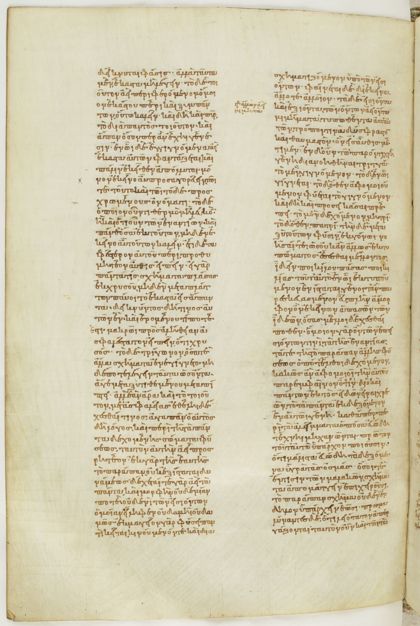
Plato, Timaeus 50a-50e: the receptacle compared to gold that takes every shape
Plato, Timaeus 51a-51e: is there a Form of fire? reason and true opinion
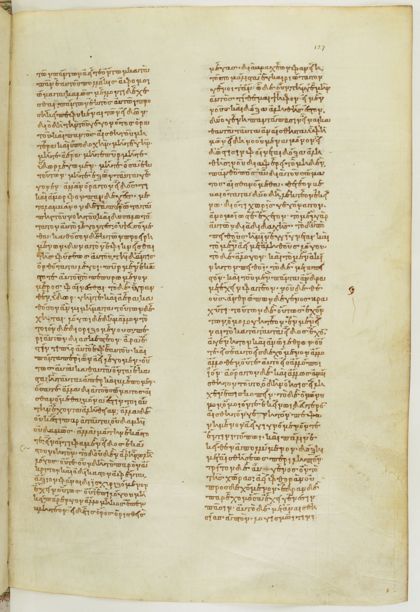
Plato, Timaeus 52a-52e: Form, copy and space; the shaking of the receptacle
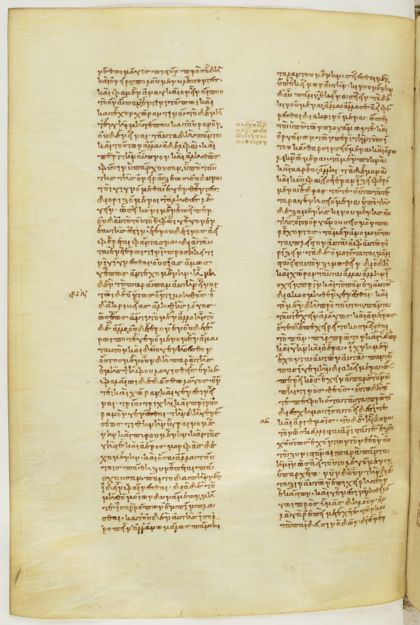
Plato, Timaeus 53a-53e: the god gives the elements shapes; the two kinds of triangle
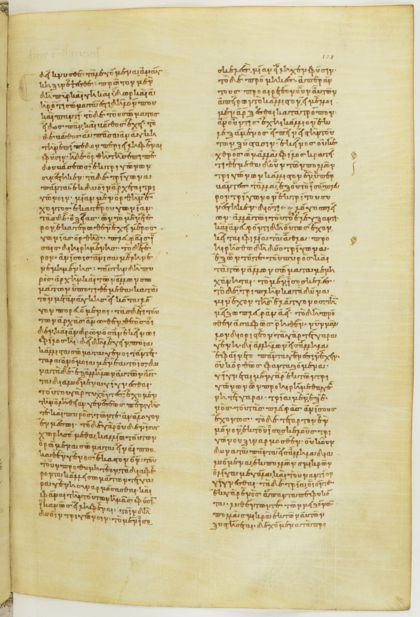
Plato, Timaeus 54a-54e: the most beautiful triangles; the construction of the solids
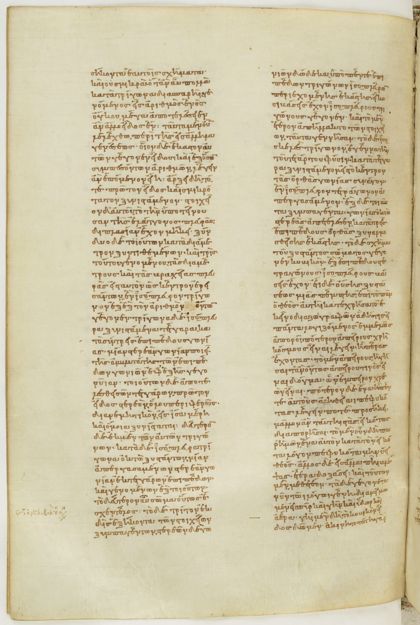
Plato, Timaeus 55a-55e: pyramid, octahedron, icosahedron and cube
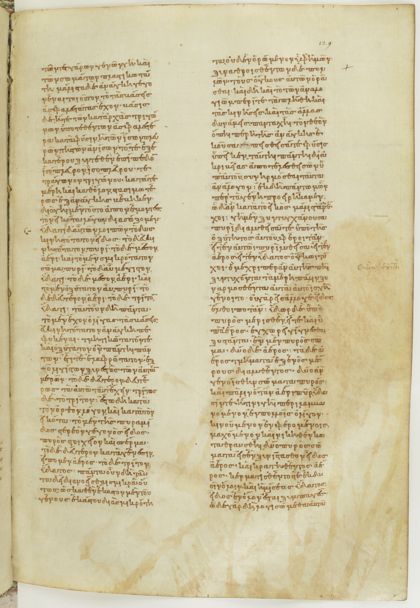
Plato, Timaeus 56a-56e: earth the cube, water the icosahedron, air the octahedron, fire the pyramid
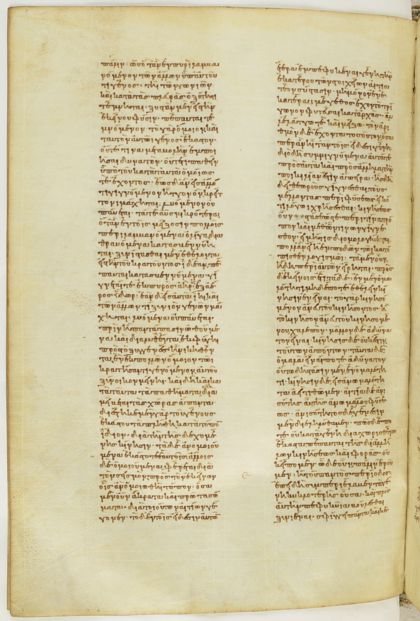
Plato, Timaeus 57a-57e: the transformation of the elements; motion and rest
Plato, Timaeus 58a-58e: why motion never stops; the kinds of fire and air
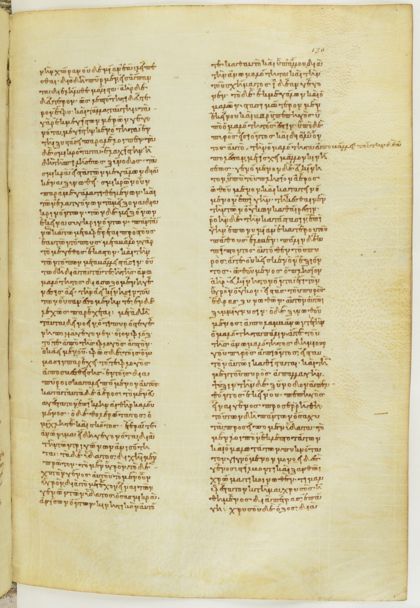
Plato, Timaeus 59a-59e: the kinds of water: gold, bronze, ice, snow
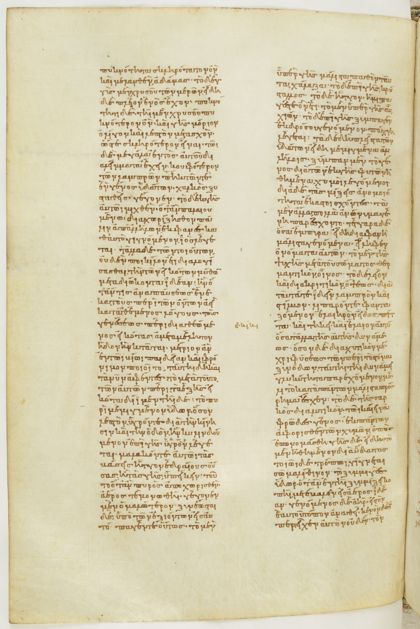
Plato, Timaeus 60a-60e: juices, oil and honey; the kinds of earth
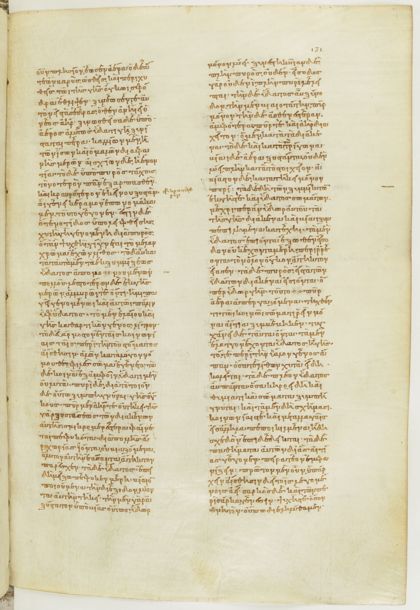
Plato, Timaeus 61a-61e: solution of earth; the sensible qualities begin with heat
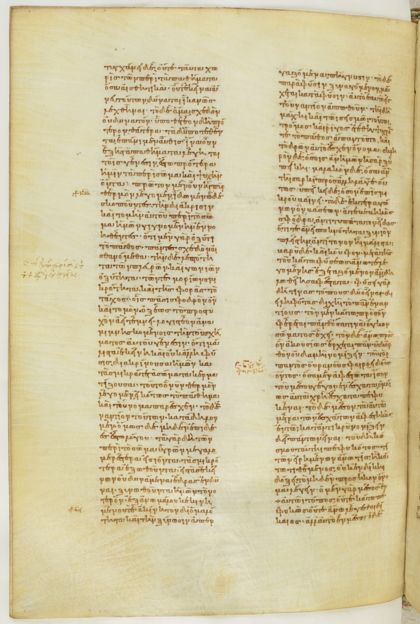
Plato, Timaeus 62a-62d: hot and cold, hard and soft, heavy and light
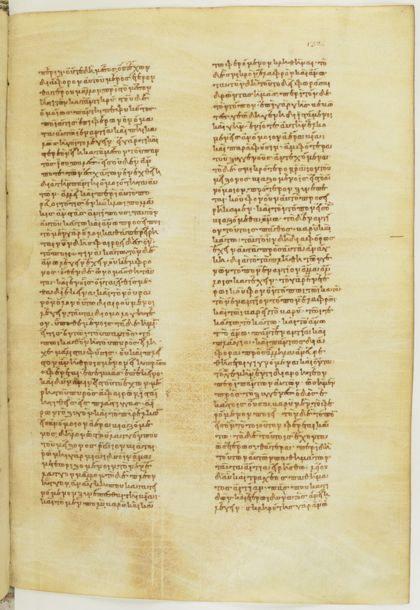
Plato, Timaeus 63a-63e: up and down; heavy and light defined
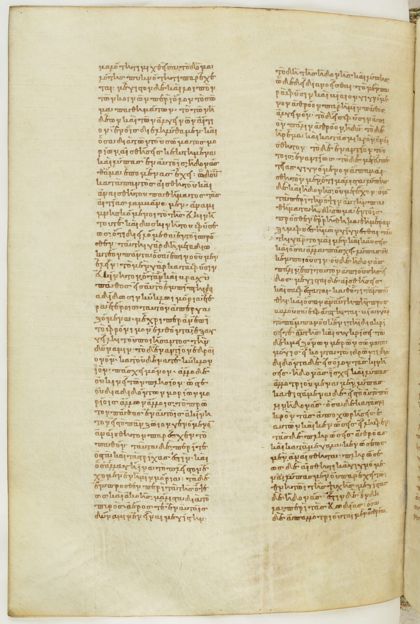
Plato, Timaeus 64a-64e: rough and smooth; pleasure and pain
Plato, Timaeus 65a-65e: pleasure and pain continued; tastes
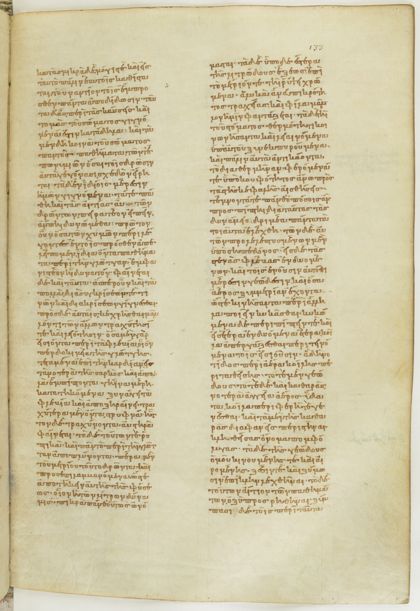
Plato, Timaeus 66a-66e: tastes continued; smells
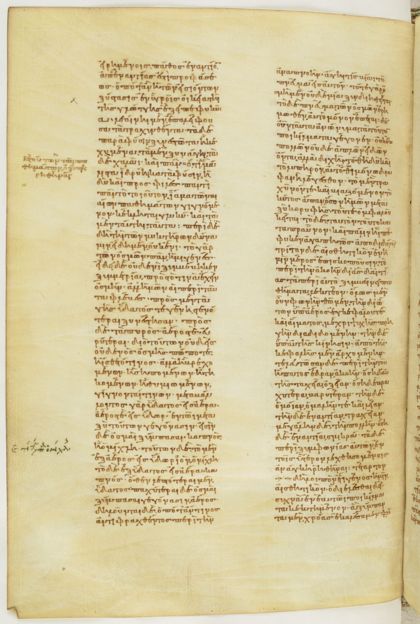
Plato, Timaeus 67a-67e: smells and sounds; colour as a flame
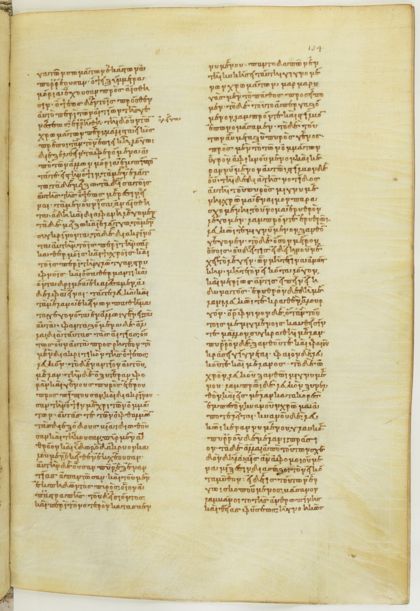
Plato, Timaeus 68a-68e: the colours and their mixtures
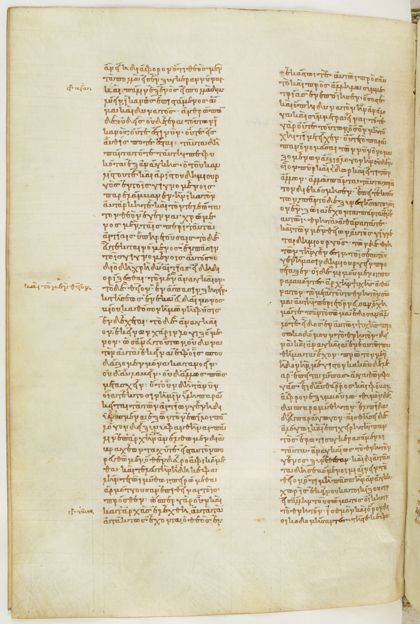
Plato, Timaeus 69a-69e: the two kinds of cause; the mortal soul placed in the chest
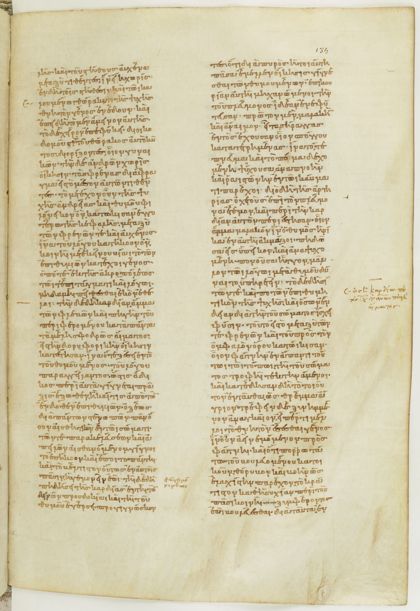
Plato, Timaeus 70a-70e: the heart and lungs; the appetite below the midriff
Plato, Timaeus 71a-71e: the liver and its images
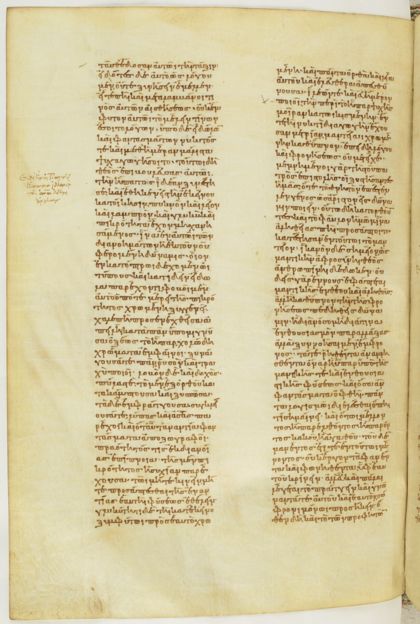
Plato, Timaeus 72a-72e: divination and its interpreters; the spleen
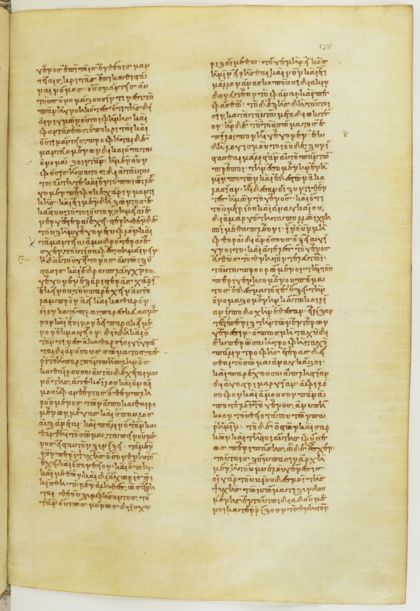
Plato, Timaeus 73a-73e: the intestines; the marrow
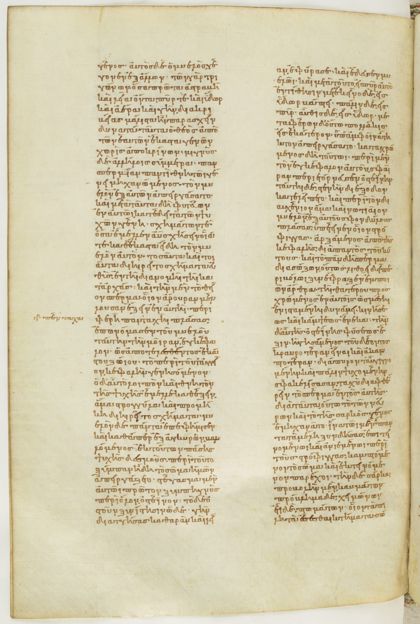
Plato, Timaeus 74a-74e: vertebrae, bone, sinew and flesh
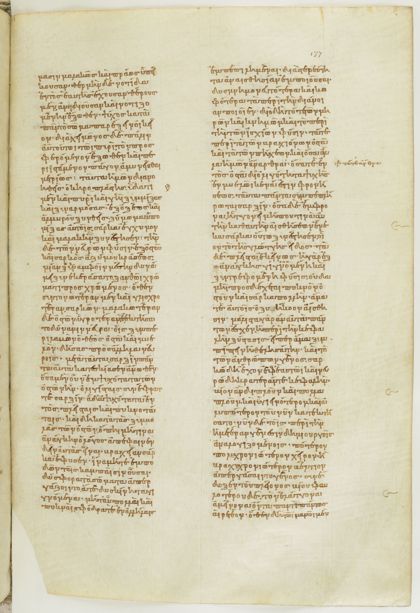
Plato, Timaeus 75a-75e: flesh and intelligence; the head and the mouth
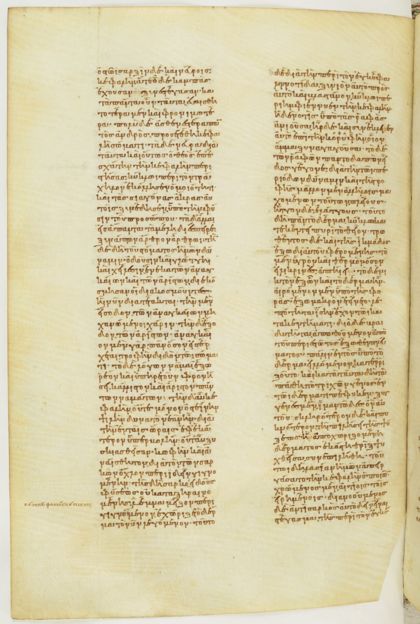
Plato, Timaeus 76a-76e: skin, hair and nails
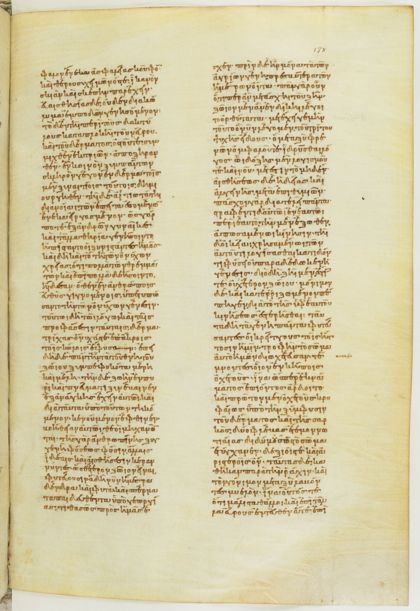
Plato, Timaeus 77a-77e: plants; the channels of the body
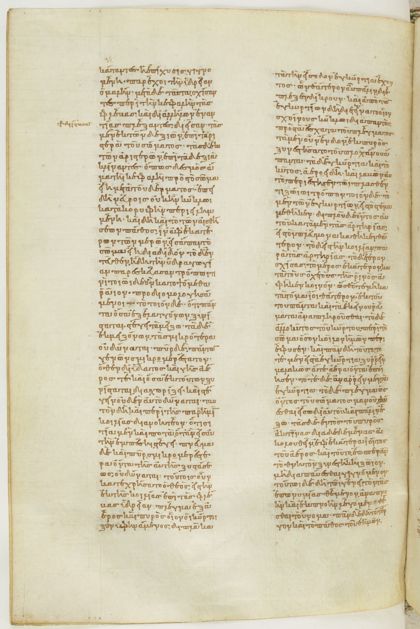
Plato, Timaeus 78a-78e: the fish-trap: the mechanism of breathing
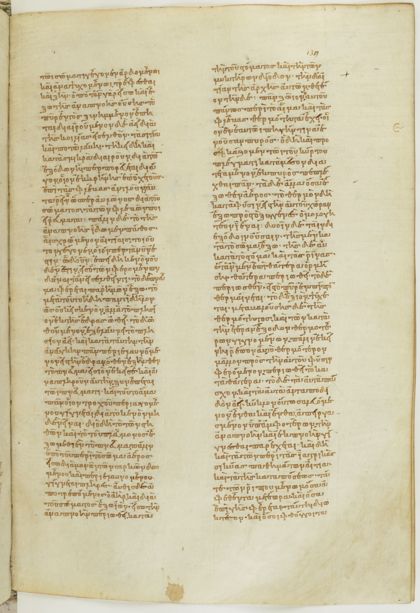
Plato, Timaeus 79a-79e: breathing continued
Plato, Timaeus 80a-80e: projectiles, sounds and other motions; digestion and the blood
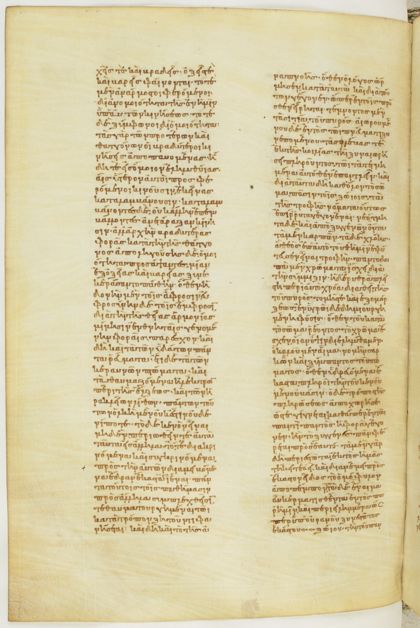
Plato, Timaeus 81a-81e: nourishment, growth and decline; death
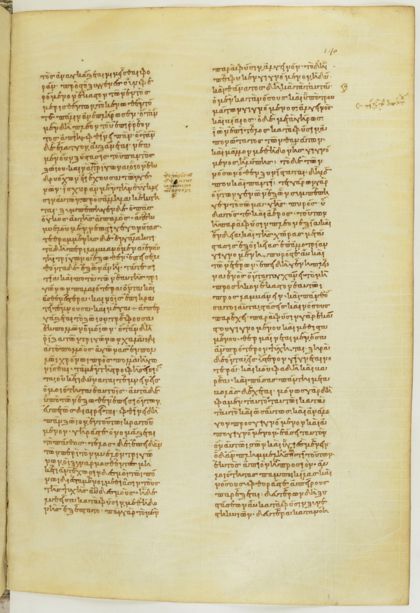
Plato, Timaeus 82a-82e: diseases arising from the four elements
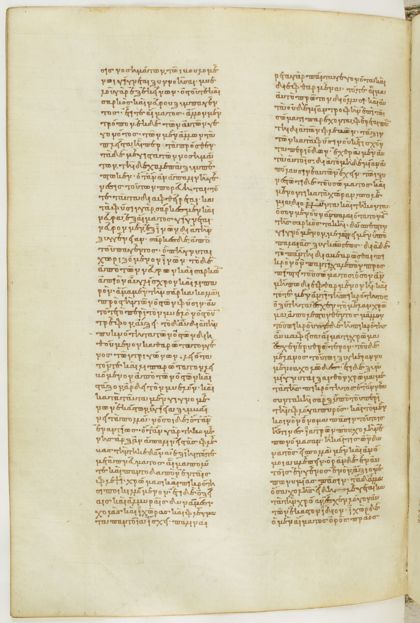
Plato, Timaeus 83a-83e: diseases of flesh and blood; bile
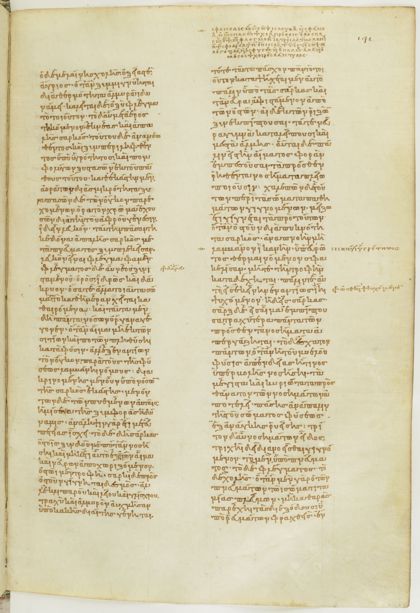
Plato, Timaeus 84a-84e: diseases of bone and marrow; of breath
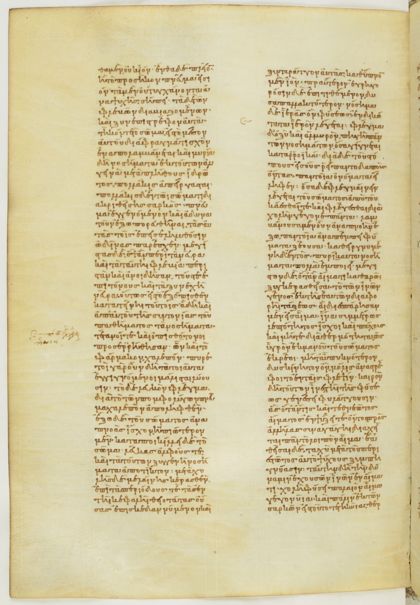
Plato, Timaeus 85a-85e: phlegm; the sacred disease; fevers
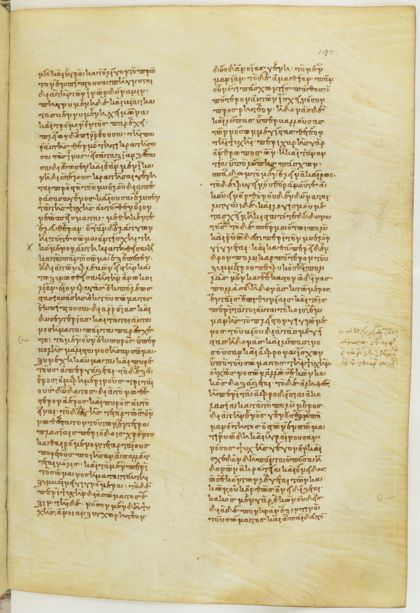
Plato, Timaeus 86a-86e: diseases of the soul: madness and ignorance
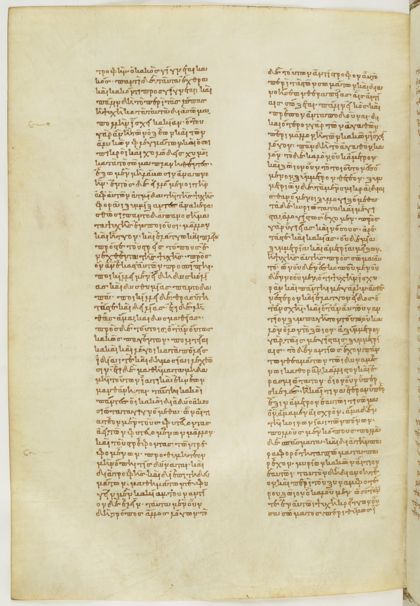
Plato, Timaeus 87a-87e: bad constitution and education; proportion between body and soul
Plato, Timaeus 88a-88e: exercise of body and soul
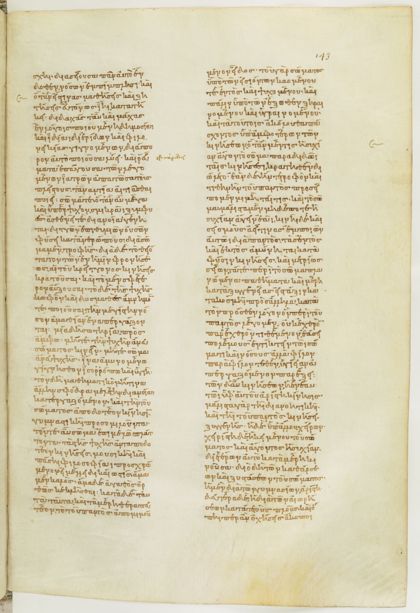
Plato, Timaeus 89a-89e: gymnastics and medicine; regimen
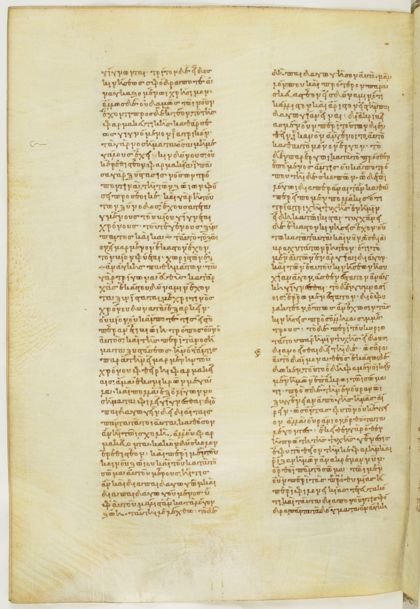
Plato, Timaeus 90a-90e: the care of the divine part in us
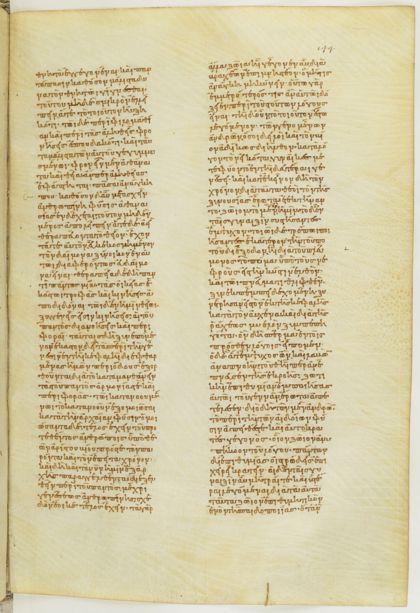
Plato, Timaeus 91a-91e: the origin of women and of the animals
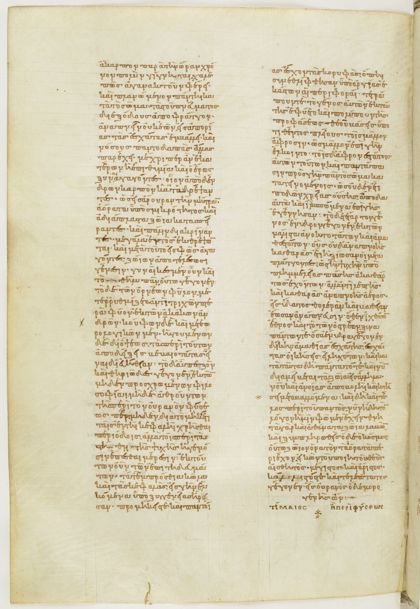
Plato, Timaeus 92a-92c: fishes and shellfish; the world a visible god